
Unveiling the Soul of Wood: More Than Just a Pretty Veneer in Wall Paneling
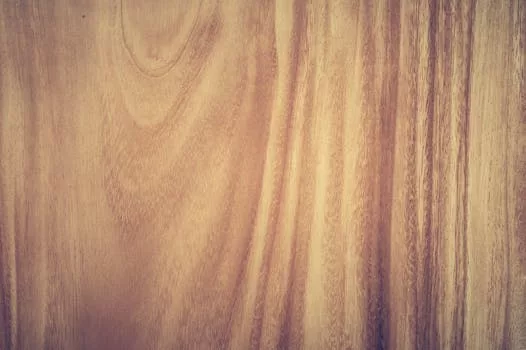
Have you ever stepped into a room and felt an almost immediate sense of calm, a subtle warmth that seems to emanate from the very walls? Often, this intangible quality is no accident; it’s a carefully curated experience, and more often than not, wooden wall panels play a starring role. We tend to think of them as purely decorative, a way to add texture and visual interest. But I’ve often found that their true power lies far deeper, weaving together function, form, and even our well-being in ways we might not initially consider.
It’s fascinating to ponder how a material as ancient as wood can remain so utterly relevant in our modern design landscapes. We’re bombarded with sleek, minimalist aesthetics, cutting-edge composites, and digitally enhanced surfaces. Yet, the enduring appeal of natural wood, particularly in the form of thoughtfully designed wall panels, continues to capture our imaginations. Why is that? What is it about wood that resonates so profoundly with us?
Rethinking Wood Paneling: A Symphony of Texture and Tone
When most people picture wooden wall panels, they might conjure images of dimly lit dens from decades past. But oh, how times have changed! Today’s wooden wall panels are a far cry from those monochromatic, heavy installations. They represent a sophisticated evolution, offering a breathtaking array of species, finishes, and patterns.
Consider the sheer diversity: from the rich, deep hues of walnut and mahogany to the crisp, clean tones of maple and birch. Then there are the innovative textures – slatted designs that play with light and shadow, geometric patterns that add a contemporary edge, and even reclaimed wood that whispers tales of its past life. It’s a canvas for creativity, allowing designers and homeowners alike to craft spaces that are both deeply personal and undeniably stylish.
Natural Variations: No two wood planks are identical, imbuing each installation with a unique character.
Finish Flexibility: From matte and natural to high-gloss and stained, the finish dramatically alters the wood’s character.
Pattern Play: Linear, chevron, geometric, or even custom-designed patterns can transform a wall into a statement piece.
The Unsung Heroes: Acoustic and Thermal Comfort
Beyond their aesthetic appeal, wooden wall panels offer tangible benefits that significantly impact the comfort and functionality of a space. One of the most surprising and often overlooked advantages is their contribution to acoustics. Wood, with its inherent cellular structure, is naturally adept at absorbing and diffusing sound waves.
Think about it: hard, flat surfaces tend to reflect sound, leading to echoey, sometimes jarring environments. Wooden panels, especially those with textured or slatted designs, can break up these sound waves, creating a more pleasant auditory experience. This makes them an excellent choice for home theaters, recording studios, offices, or even busy living areas where a little sound dampening is always welcome. I’ve personally noticed a remarkable difference in the ambiance of a room after installing slatted wood panels – the harsh edges of sound simply seemed to soften.
Furthermore, wood is a natural insulator. While not a replacement for dedicated insulation, wooden wall panels can add an extra layer of thermal resistance, helping to keep a room warmer in winter and cooler in summer. This can translate into reduced energy consumption and a more comfortable living temperature year-round. It’s a subtle but significant benefit that adds to the holistic appeal of wood as a building material.
Crafting Biophilic Sanctuaries: Connecting with Nature Indoors
In our increasingly urbanized world, the desire to reconnect with nature is palpable. This is where the concept of biophilic design comes into play, and wooden wall panels are a cornerstone of this movement. Biophilic design seeks to integrate natural elements into our built environments to enhance our well-being, reduce stress, and improve our cognitive function.
The presence of natural wood indoors taps into our innate human connection with the natural world. Its organic textures, natural variations, and earthy scent can evoke feelings of peace and tranquility. It’s more than just visual appeal; it’s a sensory experience that can genuinely improve our mood and productivity. Imagine a home office clad in warm oak panels, or a bedroom featuring a feature wall of natural cedar. These spaces don’t just look good; they feel good. They offer a sanctuary from the artificiality of our daily lives, a gentle reminder of the beauty and resilience of the natural world.
Navigating the Practicalities: Installation and Maintenance Considerations
While the allure of wooden wall panels is undeniable, it’s essential to approach their implementation with a practical mindset. Installation methods can vary significantly, from simple clip systems and adhesives for lighter panels to more involved methods for heavier solid wood options. Understanding the substrate of your wall and the weight of the chosen panels is crucial for a secure and long-lasting installation.
Maintenance is another consideration, though generally quite straightforward. Most wooden wall panels require minimal upkeep. Regular dusting is usually sufficient. For finishes that might be prone to wear, a gentle wipe-down with a damp cloth and mild cleaning solution can keep them looking pristine. It’s worth noting that, like any natural material, wood can be susceptible to moisture and direct sunlight. Therefore, it’s wise to consider the specific environment where the panels will be installed and select wood types and finishes accordingly. For instance, in areas prone to high humidity, engineered wood or certain treated hardwoods might be more suitable.
Beyond the Trend: Enduring Value and Sustainable Choices
The popularity of wooden wall panels isn’t a fleeting trend; it’s a testament to the enduring appeal and inherent value of wood as a building material. As we become more conscious of our environmental impact, the sustainability of our choices takes center stage. Fortunately, wood is a renewable resource, and many manufacturers are committed to responsible forestry practices.
When selecting wooden wall panels, looking for certifications like FSC (Forest Stewardship Council) can provide assurance that the wood is sourced ethically and sustainably. Furthermore, the longevity of well-maintained wooden panels means they are a long-term investment rather than a disposable element of design. They can adapt to changing decor styles, and their timeless aesthetic ensures they won’t quickly fall out of favor. It’s a choice that benefits not only your immediate surroundings but also, in its own way, the planet.
Wrapping Up: Embracing the Wooded Embrace
So, what is the enduring secret to the charm of wooden wall panels? It’s their remarkable ability to transcend mere decoration. They are storytellers, whispering tales of nature’s artistry. They are enhancers, subtly transforming the acoustics and thermal comfort of our spaces. And they are connectors, grounding us in the natural world and fostering a sense of well-being.
As you contemplate your next interior design project, I urge you to look beyond the surface. Consider the profound impact that thoughtfully chosen wooden wall panels can have. They offer a tactile, visual, and even auditory richness that few other materials can match. Embrace the warmth, the character, and the inherent connection to nature they bring. It’s an investment in a space that doesn’t just look beautiful but truly feels* alive.
Kevin
Senior staff writer & editor delivering comprehensive analysis, news reports, and detailed guides.