
Unplugging Ontario: Is Off-Grid Solar Truly Your Power Solution?
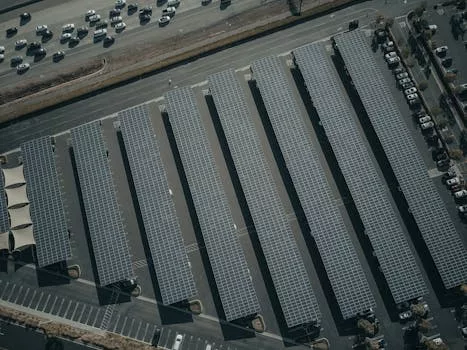
Imagine a crisp Ontario morning, the sun streaming through your windows, yet your lights flicker, your fridge hums to a stop, and your phone sits stubbornly at 1%. For many, this is a distant nightmare, a reliance on the grid that’s as predictable as the sunrise. But what if you craved true energy independence, the kind that disconnects you from the poles and wires entirely? This is where the allure of off-grid solar systems in Ontario truly ignites curiosity. It’s a dream of self-sufficiency, of powering your life with nothing but sunlight and ingenuity. But beneath the romantic notion lies a complex tapestry of technology, economics, and a profound understanding of what it means to live truly untethered. Let’s peel back the layers and explore what’s involved.
The Allure of Autonomy: Why Go Off-Grid in Ontario?
The reasons for considering an off-grid solar setup are as varied as Ontario’s landscapes. For those nestled in remote corners of the province, traditional grid connection can be prohibitively expensive, if not impossible. Think of a picturesque cabin in Muskoka or a secluded homestead in Northern Ontario – bringing electricity to these places can cost tens of thousands of dollars. In such scenarios, off-grid solar isn’t just an option; it’s often the only practical solution.
Beyond pure necessity, there’s a growing desire for environmental stewardship and a keen interest in reducing one’s carbon footprint. For some, it’s about creating a resilient energy source, less vulnerable to power outages that can disrupt daily life, especially during harsh Ontario winters. And let’s not forget the sheer satisfaction that comes from generating and managing your own power. It’s a powerful statement of self-reliance.
Beyond the Panels: What Makes an Off-Grid System Tick?
A common misconception is that an off-grid solar system is simply a set of solar panels. While panels are the heart of energy generation, they are just one component in a carefully orchestrated ecosystem. To truly understand off-grid solar systems in Ontario, we need to look at the entire picture.
Solar Panels (Photovoltaic Modules): These capture sunlight and convert it into direct current (DC) electricity. The number and type of panels depend heavily on your energy needs and the amount of available sunlight.
Charge Controller: This is the brain of the operation, regulating the flow of electricity from the panels to the batteries. It prevents overcharging and deep discharge, extending battery life.
Battery Bank: This is where your generated solar energy is stored for use when the sun isn’t shining (i.e., at night or during cloudy days). Lithium-ion and deep-cycle lead-acid batteries are common choices, each with its pros and cons in terms of lifespan, maintenance, and cost. This is often the most significant upfront investment.
Inverter: Solar panels produce DC electricity, but most homes and appliances run on alternating current (AC) electricity. The inverter converts the DC power from the batteries into usable AC power.
Mounting System: Securely and efficiently mounts your solar panels, often on rooftops or ground arrays, considering factors like snow load and wind resistance common in Ontario.
Backup Generator (Optional but Recommended): While the goal is solar independence, a backup generator (propane, diesel, or gas) is often a wise addition, especially in Ontario’s climate, to ensure power during extended periods of low sunlight or exceptionally high demand.
Sizing Your System: A Crucial Calculation for Ontario Living
This is where critical thinking is paramount. Simply slapping on a few panels won’t suffice. Accurately sizing an off-grid solar system in Ontario requires a deep dive into your lifestyle and energy consumption habits.
#### Understanding Your Power Needs: The Energy Audit
Before you even look at a solar panel, you need to know how much power you actually use. This means meticulously tracking the wattage of every appliance and light fixture you intend to power, and estimating how long each will run daily. Consider:
Essential Loads: Lights, refrigerator, well pump (if applicable), charging devices.
Non-Essential Loads: Entertainment systems, power tools, electric heaters.
In Ontario, winter presents unique challenges. Heating is a significant energy consumer, and days are shorter, meaning less solar generation. Therefore, your battery bank must be large enough to cover prolonged periods without sunshine, and your inverter must handle the peak demand of heating elements. I’ve often found that people underestimate their heating needs during the coldest months, which can quickly drain a battery bank meant to last.
#### The Ontario Sun: A Variable Resource
The amount of sunlight (solar irradiance) you receive in Ontario varies significantly by season and location. Southern Ontario generally receives more consistent sunshine than Northern Ontario. Factors like shading from trees or buildings, and the angle of your panels, also play a crucial role. A professional assessment is vital here. They can model your specific location’s solar potential throughout the year.
The Financial Equation: Investment vs. Independence
Let’s address the elephant in the room: cost. Off-grid solar systems in Ontario are a significant investment. Unlike grid-tied systems that can be partially offset by selling excess power back to the utility (net-metering), off-grid systems are entirely self-contained and self-funded.
The upfront cost can range from $20,000 to $70,000 or even more, depending on the system’s size, the quality of components, and installation complexity. The battery bank, in particular, represents a substantial portion of this cost, and its lifespan (typically 10-15 years for lead-acid, longer for lithium-ion) needs to be factored into long-term planning.
However, when you weigh this against the rising costs of electricity from traditional utilities, and the potential for zero electricity bills over the system’s lifetime, the long-term financial picture can become quite appealing. It’s not just about saving money; it’s about predictable energy expenses. You’re investing in an asset that provides a tangible service: continuous power.
Navigating the Nuances: Permits, Regulations, and Maintenance
Venturing off-grid isn’t simply a matter of buying components and hooking them up. There are important practicalities to consider.
Permits and Inspections: Even though you’re going off-grid, your system will likely still need to meet provincial building codes and electrical safety standards. Obtaining the necessary permits ensures your installation is safe and compliant.
Maintenance: While solar panels themselves require minimal maintenance (occasional cleaning), the battery bank and other components need regular checks. This includes checking battery water levels (for lead-acid), ensuring connections are clean, and monitoring system performance.
* System Monitoring: Keeping an eye on your system’s performance through monitoring apps or devices is crucial. It helps you identify issues early and optimize your energy usage.
It’s interesting to note that as battery technology advances and becomes more affordable, the viability of comprehensive off-grid living in more populated areas of Ontario becomes increasingly realistic for a wider range of homeowners.
## Wrapping Up: Is Off-Grid Solar Your Ontario Future?
The dream of off-grid solar systems in Ontario is more accessible than ever, thanks to technological advancements. It offers a compelling path to energy independence, reduced environmental impact, and a resilient power source. However, it’s not a decision to be taken lightly. It demands a thorough understanding of your energy needs, a significant financial commitment, and a willingness to embrace a more hands-on approach to your power consumption.
Before you disconnect, engage with reputable installers, conduct detailed energy audits, and critically assess whether the autonomy and benefits truly align with your lifestyle and financial goals. The journey off-grid is a rewarding one, but it’s a journey that requires careful planning and a clear vision of what it truly means to be powered by the sun.
Kevin
Senior staff writer & editor delivering comprehensive analysis, news reports, and detailed guides.