
Unlocking Your Skin’s Potential: The Real Scoop on Collagen Cream
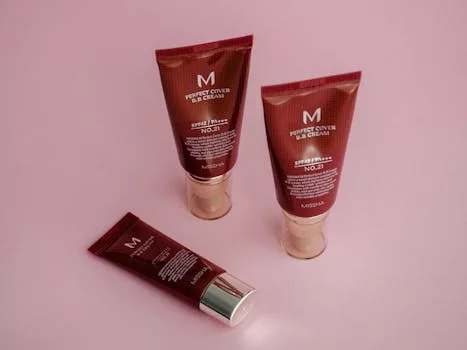
Ever scroll through your feed and see endless ads for creams promising to turn back the clock? One ingredient that pops up constantly is collagen. But let’s be honest, the whole world of skincare can feel a bit overwhelming, right? You might be wondering, “Does collagen cream actually work?” Well, settle in, because we’re about to dive deep into the nitty-gritty of collagen cream, cutting through the hype to give you the real story.
Think of collagen as the scaffolding of your skin. It’s a protein that provides structure, firmness, and that youthful bounce we all love. As we age, our bodies naturally produce less collagen, leading to those fine lines, wrinkles, and a less plump complexion. This is where collagen cream enters the picture, aiming to replenish what’s lost or stimulate your skin to make more. But is it as simple as slathering on a potion? Let’s find out!
What Exactly Is Collagen Cream, Anyway?
At its core, collagen cream is a topical skincare product formulated with collagen or ingredients designed to encourage your skin to produce more of its own collagen. It’s one of the most sought-after ingredients for anti-aging skincare because of its crucial role in skin’s structure and elasticity. You’ll often see hydrolyzed collagen, collagen peptides, or even marine collagen listed on the ingredient labels.
The idea is that by applying collagen directly to your skin, you can help firm it up, reduce the appearance of wrinkles, and improve overall texture. It sounds almost too good to be true, and the science behind how well topical collagen works is where things get really interesting.
The Science Bit: How Collagen Cream Could Work
Here’s where we get a little technical, but don’t worry, I’ll keep it simple! The collagen molecules in most creams are quite large. In fact, they’re often too large to penetrate the deepest layers of your skin where collagen production really happens. So, when you apply a cream with intact collagen, it might sit on the surface, providing a temporary plumping effect by drawing moisture to the skin.
However, the real magic can happen with collagen peptides. These are smaller fragments of collagen that are broken down through a process called hydrolysis. These little guys are like signaling molecules. When applied to the skin, they can actually signal to your skin cells (fibroblasts) to ramp up their own collagen production. Think of it as sending a tiny, encouraging text message to your skin saying, “Hey, let’s make more of that good stuff!”
It’s also worth noting that many collagen creams contain a cocktail of ingredients. They might also include hyaluronic acid (a hydration superstar), antioxidants (like vitamin C, which is vital for collagen synthesis), and other peptides. So, while the collagen itself plays a role, it’s often working as part of a team.
Decoding the Ingredients: What to Look For
Navigating the skincare aisle can feel like deciphering a secret code. When you’re on the hunt for an effective collagen cream, keep an eye out for these key players:
Collagen Peptides: As we discussed, these are your best bet for stimulating your skin’s natural collagen production. Look for terms like “hydrolyzed collagen,” “collagen amino acids,” or specific peptide names.
Vitamin C (Ascorbic Acid): This powerful antioxidant is absolutely essential for collagen synthesis. It’s like the construction manager for your skin’s collagen building project. Many find that a dedicated Vitamin C serum followed by a collagen cream yields the best results.
Hyaluronic Acid: While not directly involved in collagen production, HA is a humectant that draws moisture into the skin. This can temporarily plump up the skin, making fine lines less noticeable and giving your complexion a smoother, more hydrated appearance. It’s a fantastic supporting act!
Retinoids (like Retinol): These are powerful ingredients that are proven to boost collagen production over time. If your collagen cream doesn’t contain a retinoid, you might consider using one separately (just be mindful of product layering and potential irritation).
Remember, a good skincare routine is a marathon, not a sprint. You won’t see dramatic changes overnight, but consistent use of well-formulated products can make a real difference.
Is Collagen Cream for Everyone?
Here’s a thought: does your skin need this specific boost? The answer is usually yes, especially as we get older. However, the type of collagen cream and its effectiveness can vary wildly.
For younger skin (20s-early 30s): Your skin is likely producing collagen at a good rate. Prevention is key! A good moisturizer, sunscreen, and perhaps a gentle antioxidant serum might be sufficient. However, if you’re starting to notice very early signs of fine lines, a peptide-rich cream could be a good preventative step.
For mature skin (late 30s onwards): This is often where the benefits of collagen cream become more apparent. As natural collagen production slows, topical support can help maintain skin’s firmness and reduce the visibility of wrinkles.
It’s also important to consider your skin type. If you have sensitive skin, you might want to opt for creams with fewer potential irritants and patch-test new products. Also, be aware that some people can be sensitive to certain peptides or vitamin C concentrations.
How to Maximize Your Collagen Cream’s Impact
Just buying a tub of collagen cream isn’t enough. To truly get the most out of it, think about how you use it:
- Cleanse Thoroughly: Always apply creams to clean skin. This removes dirt, oil, and dead skin cells, allowing the product to penetrate better.
- Apply at the Right Time: Many experts recommend applying collagen creams in the evening. This is when your skin goes into repair mode, and you’re not exposed to environmental stressors. However, some formulations are suitable for morning use too!
- Layer Smartly: If you use serums (like Vitamin C or Hyaluronic Acid), apply them first, then follow with your collagen cream. This locks in the benefits.
- Be Consistent: This is non-negotiable! Daily application, morning and/or night, is crucial for seeing results.
- Don’t Forget SPF: While collagen creams can help with existing damage, preventing future sun damage is paramount for maintaining youthful skin. Always finish your morning routine with sunscreen.
Wrapping Up: Your Personalized Approach to Collagen Cream
So, does collagen cream really work? My take is this: while it’s not a magic bullet that will erase every wrinkle overnight, a well-formulated collagen cream, particularly one containing peptides, can absolutely be a valuable addition to your skincare routine. It’s about understanding what the ingredients do and setting realistic expectations.
The most important thing is to listen to your skin. What works for one person might not work for another. Experiment with different brands and formulations, paying attention to the ingredients and how your skin feels and looks over time. If you’re looking for smoother, firmer-looking skin, incorporating a quality collagen cream is a smart move, but remember it’s part of a bigger, beautiful picture of healthy skincare habits. Happy slathering!
Kevin
Senior staff writer & editor delivering comprehensive analysis, news reports, and detailed guides.