
Understanding the Difference Between Homemade and Packaged Pet Food
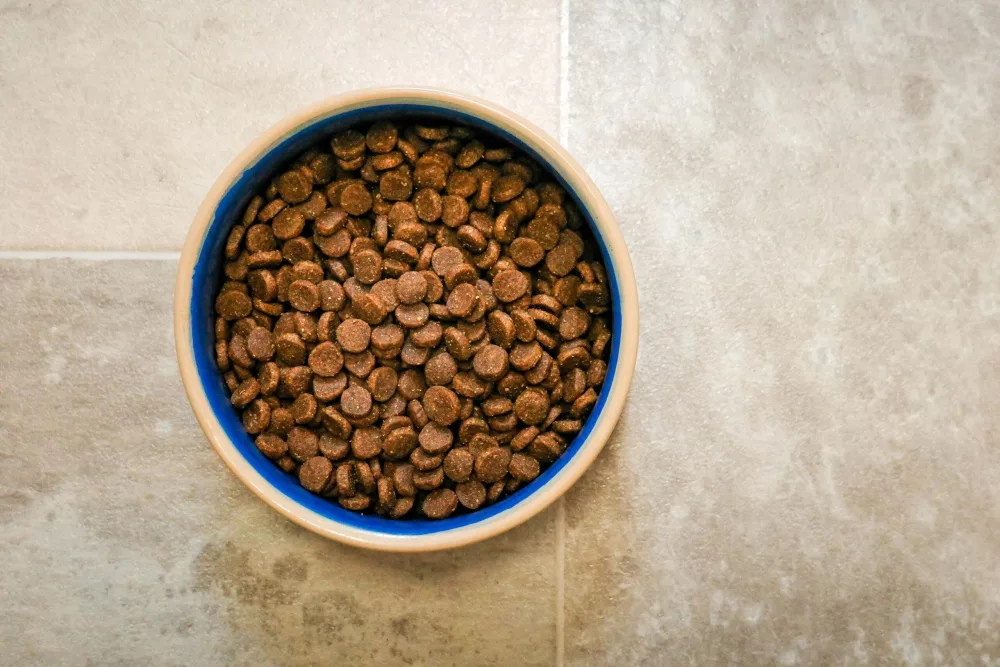
When you’re trying to decide what to feed your furry friend, the choice often comes down to homemade or packaged pet food. The simple answer is this: packaged pet food offers convenience, consistency, and nutritional balance backed by scientific formulation, while homemade food provides control over ingredients and can cater to very specific dietary needs, but requires significant research and effort to ensure it’s complete and balanced. There are valid reasons to choose either option, and understanding the nuances will help you make the best decision for your pet.
Packaged pet food, whether dry kibble, wet food, or raw frozen, dominates the market for good reason. It’s designed to be a complete and balanced meal.
Nutritional Completeness
One of the primary benefits of packaged pet food is that reputable brands formulate their products to meet specific nutritional guidelines established by organizations like the Association of American Feed Control Officials (AAFCO) in the United States, or FEDIAF in Europe. This means the food is intended to provide all the essential nutrients—proteins, fats, carbohydrates, vitamins, and minerals—in the correct proportions for various life stages (puppy/kitten, adult, senior) and activity levels. Developing these formulations involves extensive research and often collaboration with veterinary nutritionists.
This approach eliminates the guesswork for pet owners. You can trust that the food you’re offering your pet contains the necessary building blocks for health, brain function, and energy. Many companies conduct feeding trials to ensure their products are not just chemically balanced on paper but also perform well in real-world feeding scenarios.
Convenience and Shelf Life
Let’s be honest, life is busy. Opening a bag or can of pet food and pouring it into a bowl is incredibly convenient. There’s no shopping for multiple ingredients, no chopping, no cooking, and minimal cleanup. This time-saving aspect is a major draw for many pet owners.
Packaged foods also have a good shelf life. Dry kibble can last for weeks or even months when stored properly, while unopened wet food cans have an even longer shelf life. This reduces food waste and ensures you always have a readily available food supply for your pet. The ease of storage and portability also makes travel with your pet much simpler.
Consistency and Quality Control
Reputable manufactures have strict quality control measures in place, from sourcing raw ingredients to the final packaging. They often test ingredients for contaminants, pathogens, and nutrient levels. This helps ensure that each bag or can of food delivers the same nutritional profile and is free from harmful substances. While recalls do happen, they are often widely publicized, allowing pet owners to react quickly.
The consistency of packaged pet food is also beneficial for your pet’s digestive system. Sudden changes in diet can lead to gastrointestinal upset. With packaged food, your pet receives the same blend of ingredients every day, which promotes stable digestion. This consistency extends to nutrient delivery, ensuring your pet always gets what they need without daily variation.
The Lure of Homemade Pet Food
Preparing food for your pet at home can be a rewarding experience. It gives you direct control over what goes into their bowl.
Ingredient Control and Customization
The biggest advantage of homemade pet food is the ability to choose every single ingredient. This is particularly beneficial for pets with allergies, sensitivities, or specific health conditions that require unique dietary adjustments. For example, if your pet is allergic to chicken, you can easily avoid it and use a different protein source.
You can select high-quality, fresh ingredients that you might even consume yourself. This level of transparency gives many pet owners peace of mind. You know exactly where the meat comes from, the type of vegetables included, and that there are no artificial preservatives, colors, or fillers. This control allows for fine-tuning the diet to address issues like weight management, kidney disease, or inflammatory bowel disease, often under veterinary guidance.
Addressing Specific Dietary Needs
Pets with underlying health issues often benefit from a tailored homemade diet. A veterinarian might recommend a low-phosphorus diet for a cat with kidney disease, or a low-fat diet for a dog with pancreatitis. Creating these diets at home allows for precise control over nutrient levels that might not be available in commercial foods.
For very picky eaters, homemade food can sometimes be more appealing due to the fresh aromas and textures. This can be especially important for sick or elderly pets who have a reduced appetite. The ability to vary ingredients slightly can also keep a pet engaged with their meals.
Bonding and Enrichment
For some pet owners, preparing food for their animals is an act of love and can deepen the bond they share. The process itself can be enjoyable, akin to cooking for family members. It offers a sense of accomplishment and ensures you provide nourishment in a very personal way.
Furthermore, the variety of textures and smells in a homemade meal can offer a form of enrichment for your pet, stimulating their senses in a way that dry kibble might not. This can be particularly true if you incorporate different types of fresh ingredients each week.
Navigating the Challenges of Homemade Pet Food

While appealing, homemade pet food comes with its own set of significant challenges that require careful consideration.
Nutritional Imbalance Risks
This is the most critical hurdle to overcome with homemade diets. Without a deep understanding of canine or feline nutrition, it is very easy to create a diet that is deficient in essential nutrients or contains an excess of others. For instance, calcium and phosphorus must be in a very specific ratio for bone health. Too much phosphorus or too little calcium can lead to severe skeletal problems over time.
Many homemade recipes found online are not formulated by veterinary nutritionists and can be dangerously incomplete. Common deficiencies in homemade diets include calcium, phosphorus, zinc, copper, potassium, magnesium, and essential vitamins like B vitamins and vitamin D. Excesses can also be harmful, leading to toxicity or other health issues. Consulting with a board-certified veterinary nutritionist is highly recommended for anyone considering a long-term homemade diet. They can formulate a balanced recipe specifically for your pet.
Time, Effort, and Cost
Preparing homemade pet food is a time-consuming endeavor. It involves grocery shopping for fresh ingredients, washing, chopping, cooking, and portioning. This often needs to be done multiple times a week to ensure freshness. For many busy individuals, this level of commitment is simply not feasible.
The cost can also be higher than packaged pet food. While you might save money on individual ingredients, the overall cost of providing a complete and balanced diet using human-grade ingredients can quickly add up, especially for larger pets. Specialized supplements, which are often necessary to balance homemade diets, also contribute to the expense.
Food Safety Concerns
Handling raw meat and other fresh ingredients carries a risk of bacterial contamination (Salmonella, E. coli, Listeria), not just for your pet, but for human family members as well. Proper food handling, storage, and sanitation practices are paramount to prevent foodborne illness.
Cooking temperatures need to be adequate to kill pathogens while retaining nutrient integrity. The shelf life of homemade food is much shorter than packaged food, usually only a few days in the refrigerator, requiring careful storage and discarding of expired portions. If not prepared or stored correctly, homemade food can quickly spoil, leading to potential digestive upsets or illness in your pet.
Understanding the Components of Pet Food

Whether commercially prepared or homemade, pet food needs to contain specific macronutrients and micronutrients to support health.
Macronutrients: Protein, Fats, and Carbohydrates
These are the energy-providing components of food.
- Protein: Essential for muscle growth and repair, enzyme production, and immune function. Good sources include meat, poultry, fish, eggs, and legumes.
- Fats: Provide concentrated energy, support cell function, and aid in the absorption of fat-soluble vitamins. Essential fatty acids like Omega-3s and Omega-6s are crucial. Sources include animal fats, fish oil, and certain plant oils.
- Carbohydrates: Provide energy. While not strictly essential for carnivorous pets like cats (they can synthesize glucose from protein), carbohydrates are an efficient energy source for many animals. Sources include grains, vegetables, and fruits.
Micronutrients: Vitamins and Minerals
These are required in smaller amounts but are vital for proper bodily function.
- Vitamins: Organic compounds necessary for various metabolic processes. Examples include Vitamin A (vision), D (bone health), E (antioxidant), and B vitamins (energy metabolism).
- Minerals: Inorganic elements crucial for bone structure, fluid balance, nerve function, and more. Examples include calcium, phosphorus, potassium, sodium, magnesium, iron, zinc, and selenium.
Making an Informed Decision
| Aspect | Homemade Pet Food | Packaged Pet Food |
|---|---|---|
| Nutritional Control | Can be customized to meet specific dietary needs | May contain preservatives and fillers |
| Quality of Ingredients | Can use high-quality, fresh ingredients | May contain by-products and lower-quality ingredients |
| Cooking Process | Prepared at home with care | Mass-produced with standard cooking processes |
| Cost | Can be cost-effective depending on ingredients | May be more expensive for higher-quality options |
| Convenience | Requires time and effort for preparation | Convenient and ready to serve |
Ultimately, the best choice depends on your individual circumstances, your pet’s needs, and your understanding of pet nutrition.
Consulting Your Veterinarian
Regardless of which path you choose, a conversation with your veterinarian is invaluable. They can assess your pet’s overall health, life stage, activity level, and any pre-existing conditions that might influence dietary choices. If you’re considering a homemade diet, ask for a referral to a board-certified veterinary nutritionist. These specialists have advanced training in animal nutrition and can formulate a truly balanced and complete diet tailored to your pet.
Your vet can also help you evaluate commercial pet food brands, providing insights into ingredient quality, nutritional adequacy, and potential concerns related to specific products. They can help you decipher pet food labels and understand the claims made by manufacturers.
Combining Approaches (Hybrid Diets)
Some pet owners opt for a hybrid approach, using a high-quality commercial pet food as the foundation and supplementing it with carefully chosen fresh ingredients. This can offer some benefits of homemade food without the full commitment and risk of nutritional imbalance. However, even with this approach, caution is needed. Adding too many extras can unintentionally dilute the complete and balanced nature of the commercial diet or create nutrient excesses.
For example, adding a cooked egg or a small amount of steamed vegetables to a meal of high-quality kibble can provide extra nutrients and variety. It is important to ensure that any supplements or additions make up a minimal percentage of the total caloric intake to avoid throwing off the nutritional balance of the main food.
In conclusion, both homemade and packaged pet foods have their merits and drawbacks. Packaged foods offer convenience, consistent formulation, and ease of storage, backed by nutritional science. Homemade diets provide unparalleled control over ingredients, catering to specific needs and offering a personal touch. The decision hinges on your ability to commit the time, effort, and research necessary to ensure nutritional completeness, and critically, consulting with veterinary professionals to safeguard your pet’s health.
FAQs
What is the difference between homemade and packaged pet food?
Homemade pet food is prepared at home using fresh ingredients, while packaged pet food is commercially produced and comes in the form of dry kibble, canned food, or semi-moist food.
Is homemade pet food better than packaged pet food?
There is no definitive answer to this question as both homemade and packaged pet food have their own advantages and disadvantages. Homemade pet food allows for more control over ingredients, but it requires careful planning to ensure balanced nutrition. Packaged pet food is convenient and formulated to meet the nutritional needs of pets, but some may contain fillers and preservatives.
What are the potential risks of homemade pet food?
The potential risks of homemade pet food include the possibility of nutrient deficiencies or imbalances if the diet is not properly formulated. Additionally, food safety concerns such as bacterial contamination can arise if proper handling and storage practices are not followed.
How can I ensure my pet’s nutritional needs are met with homemade pet food?
To ensure your pet’s nutritional needs are met with homemade pet food, it is important to consult with a veterinarian or a board-certified veterinary nutritionist to create a balanced recipe that includes all essential nutrients. Regular monitoring and adjustments may be necessary to address any deficiencies or imbalances.
What should I consider when choosing between homemade and packaged pet food?
When choosing between homemade and packaged pet food, consider factors such as your pet’s specific dietary needs, your ability to prepare homemade food consistently and safely, and your budget. It is important to make an informed decision based on what is best for your pet’s overall health and well-being.
Kevin
Senior staff writer & editor delivering comprehensive analysis, news reports, and detailed guides.