
Traveling With Your Dog Without Causing Stress or Discomfort
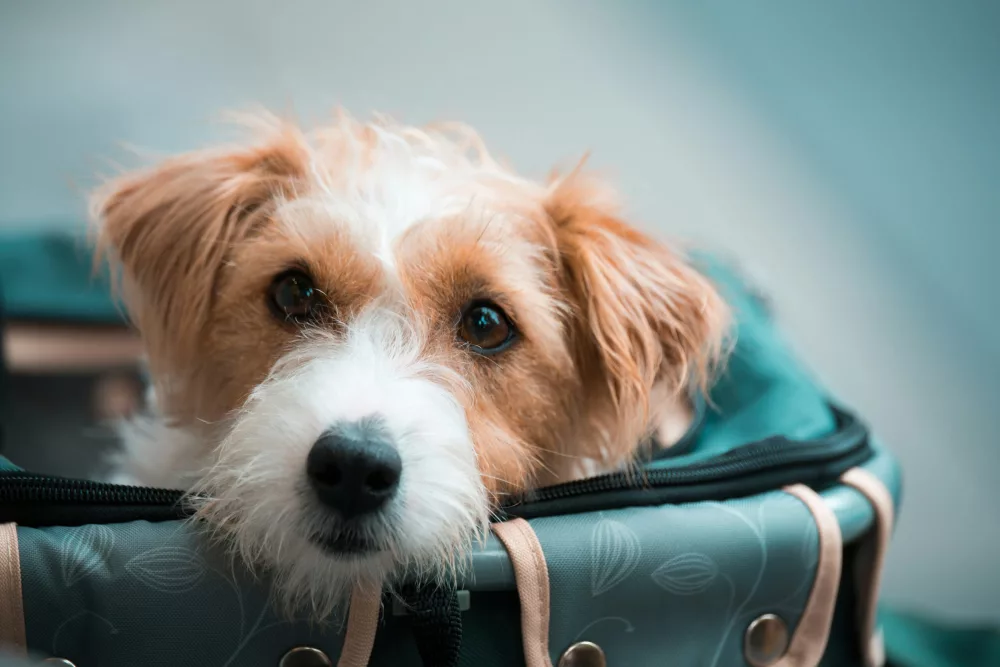
Bringing your furry best friend along for the ride can be incredibly rewarding, but let’s be honest, it can also come with its own set of anxieties. The good news is, traveling with your dog doesn’t have to be a stressful ordeal for either of you. With a bit of planning and some practical strategies, you can make your journeys enjoyable and comfortable for everyone involved. Think of it as extending your home environment, just with a few more logistics.
Before you even think about packing your bags, a little groundwork at home can prevent a lot of potential problems. This is less about special gear and more about routine and understanding your dog’s needs. Consider this the foundational step to a smooth trip.
Vet Check-Up and Health Records
A quick visit to your veterinarian before a trip is always a smart move.
- Vaccinations: Ensure your dog’s vaccinations are up-to-date, especially if you’re traveling to an area with different health risks or if your accommodation requires proof of vaccination.
- Preventatives: Discuss flea, tick, and heartworm preventatives. The environment you’re traveling to might have different parasite concerns than your usual surroundings.
- Health Certificate: For air travel, and sometimes for border crossings or specific accommodations, a health certificate issued by your vet within a certain timeframe (often 10 days) is essential. Have copies readily available.
- Medications: If your dog takes any regular medications, ensure you have enough for the entire trip, plus a little extra in case of travel delays. It’s also wise to have a refill prescription handy.
Identification is Key
Imagine the worst-case scenario. Having your dog properly identified is crucial.
- Microchip: Confirm your dog’s microchip is registered with your current contact information. A microchip is a permanent form of identification, but it’s useless if the registry information is outdated.
- ID Tag: A sturdy, readable ID tag on your dog’s collar with your name, phone number, and an alternate contact is invaluable. Consider adding your destination address if it’s a longer trip.
- Recent Photo: Carry a recent, clear photo of your dog on your phone. This can be incredibly helpful if, unfortunately, they were to get lost.
Acclimatizing Your Dog to Travel Essentials
Getting your dog used to the items they’ll be using during travel can significantly reduce anxiety.
- Carrier/Crate: If you’re using a carrier or crate, leave it out in your home for a while before the trip. Put familiar blankets and toys inside. Feed your dog meals near or inside it. Make it a positive space, not just associated with the vet or a negative experience.
- Harness/Leash: Ensure your dog is comfortable walking on a leash and harness. If you’re using a new harness, introduce it gradually. Practice short walks with it before the trip.
- Car Seat Cover: If you use a car seat cover or car hammock, let your dog investigate it and offer treats when they are near it.
Car Travel Tips for a Peaceful Journey
Many of us opt for car travel with our canine companions. It offers flexibility, but demands attention to detail to keep everyone safe and comfortable.
Secure Your Dog Safely
This isn’t just about comfort; it’s a critical safety concern.
- Crash-Tested Harnesses/Car Seats: For active dogs, a crash-tested harness that attaches to the seatbelt system is a good option. For smaller dogs, a secure car seat might be appropriate. The goal is to prevent them from becoming projectiles in a sudden stop or accident.
- Crates: A well-ventilated, appropriately sized crate secured in the car is often the safest option. Ensure it’s large enough for your dog to stand, turn around, and lie down comfortably.
- Never Loose: A loose dog in the car is a major distraction to the driver and a significant danger to themselves and other passengers.
Managing Motion Sickness
Some dogs are more prone to car sickness than others.
- Fasting: Avoid feeding your dog a large meal immediately before travel. A light snack a few hours prior is usually fine.
- Fresh Air: Keep the car well-ventilated with fresh air.
- Familiar Scents: A familiar blanket or toy from home can provide comfort.
- Veterinary Advice: If motion sickness is a persistent problem, consult your vet. They may be able to prescribe anti-nausea medication or suggest other strategies. Don’t self-medicate your dog without professional guidance.
Keeping Them Entertained and Content
Long drives can be boring, even for dogs.
- Chew Toys: Pack a few favorite, durable chew toys. These can help alleviate boredom and anxiety. Opt for toys that are safe for unsupervised chewing if your dog is prone to getting into things.
- Interactive Toys: Some dogs enjoy puzzle feeders or treat-dispensing toys that can keep them occupied for a while.
- Vocal Comfort: Sometimes, speaking calmly to your dog can be reassuring.
- Consider a Window View (Safely): For dogs who enjoy looking out, ensure they are properly secured and cannot jump out. Limiting the amount of scenery they can fully focus on might actually reduce anxiety for some.
Air Travel Considerations: Navigating the Skies

Flying with a dog requires a different level of preparation and understanding of airline regulations. It’s often the most complex option.
Airline Policies are Non-Negotiable
Every airline has its own rules, and they are strict.
- In-Cabin vs. Cargo: Determine if your dog is eligible to travel in the cabin with you (typically based on size and breed) or if they must fly as manifest cargo. This will significantly impact your planning and your dog’s experience.
- Breed Restrictions: Be aware that many airlines have restrictions on brachycephalic (snub-nosed) breeds like Bulldogs, Pugs, and Boxers due to increased respiratory risks.
- Travel Dates: Some airlines restrict pet travel during extreme heat or cold weather.
- Carrier Requirements: Airlines have specific dimensions and construction requirements for carriers, both for in-cabin and cargo. Measure your dog and their carrier meticulously.
- Booking: Book your dog’s flight well in advance. Many airlines limit the number of pets per flight. Reservations for pets are usually separate from passenger reservations.
Preparing Your Dog for the Journey
The flight itself can be disorienting for dogs.
- Acclimation: Ensure your dog is fully accustomed to their travel carrier. Practice putting them in and taking them out, feeding them meals inside, and leaving it open for them to explore.
- Avoid Sedation: Many veterinarians and airlines advise against sedating pets for air travel due to potential respiratory and cardiovascular issues at altitude. Discuss this thoroughly with your vet. Natural calming supplements or pheromone sprays might be options, but always with vet approval.
- Exercise Before Flight: Give your dog ample opportunity to relieve themselves and get some exercise before heading to the airport. A tired dog is often a calmer dog.
- Food and Water Management: Stick to your dog’s normal feeding schedule as much as possible. Offer water before check-in, but avoid giving too much right before boarding to minimize potty breaks needed during transit.
At the Airport and Onboard
The process itself can be overwhelming.
- Arrival Time: Arrive at the airport much earlier than you would for a solo trip. Pet check-in procedures can take extra time.
- Comfort Items: For in-cabin travel, a familiar blanket or a favorite (quiet) toy can provide comfort. Ensure it fits within the carrier’s stowage requirements.
- Hydration: If your dog is in-cabin, you may be able to offer them water during the flight if the flight attendant permits and it’s safe to do so. For cargo, ensure the water dish in the carrier is well-filled, knowing it might spill.
Accommodation Choices for a Happy Dog

Where you stay can make or break your trip with your dog. Planning this ahead is crucial.
Research Pet-Friendly Policies Thoroughly
Don’t assume “pet-friendly” means what you think it does.
- Fees: Many places charge a per-night or per-stay pet fee. Some also have a refundable pet deposit. Understand these costs upfront.
- Size and Breed Restrictions: Some accommodations have restrictions on the size or breed of dogs they allow.
- Designated Areas: Are there specific areas where dogs are permitted or prohibited? This might include lobbies, dining areas, or common outdoor spaces.
- Pet Amenities: Some places go above and beyond with dog beds, water bowls, or even welcome treats. This can be a nice bonus, but isn’t essential for comfort.
- Rules: Understand the rules regarding dogs being left unattended in rooms, leash requirements on the property, and noise policies.
Hotels and Motels
These are often the most common choices for travelers.
- Dedicated Pet Floors: Some larger hotel chains have designated “pet floors” or specific rooms allocated for guests with pets. This can minimize potential conflicts with guests who have allergies or are fearful of animals.
- Room Standards: Some hotels require pets to be kept on a leash at all times when outside the room and not left alone without arrangements for pet-sitting.
- Cleaning Protocols: Inquire about their cleaning practices for rooms previously occupied by pets.
Vacation Rentals (Airbnb, VRBO, etc.)
These can offer more space and a home-like feel.
- Clear Communication: When booking, always communicate with the host about your dog. Even if the listing says “pet-friendly,” specific details can vary.
- Yard Access: A fenced yard can be a huge advantage for potty breaks and letting your dog stretch their legs.
- House Rules: Pay close attention to the specific house rules regarding pets. Some hosts have very strict guidelines about where dogs can go within the property.
Camping and Outdoor Stays
This can be ideal for adventurous dogs, but requires careful planning.
- Campsite Rules: Some campgrounds are more pet-friendly than others and may have leash length requirements or specific areas for pets.
- Wildlife Awareness: Be mindful of local wildlife and ensure your dog remains secured and supervised, especially in areas with bears, coyotes, or other potentially dangerous animals.
- Weather Preparedness: Ensure your dog has adequate shelter from the elements, whether it’s a durable tent, a dog house, or a comfortable travel bed.
Keeping Your Dog Comfortable and Engaged During the Trip
| Aspect | Tips |
|---|---|
| Preparation | Plan the trip in advance, pack familiar items, and ensure your dog is comfortable with the travel crate or harness. |
| Exercise | Take your dog for a long walk or play session before the trip to help them relax during the journey. |
| Restraint | Use a secure travel crate or harness to keep your dog safe and prevent them from moving around too much. |
| Frequent Breaks | Stop every few hours to allow your dog to stretch, go to the bathroom, and have a drink of water. |
| Familiarity | Bring your dog’s favorite toys, blankets, and treats to provide a sense of comfort and security. |
Beyond the logistics, it’s about understanding your dog’s emotional and physical needs.
Potty Breaks and Exercise are Non-Negotiable
This is perhaps the most crucial element for a happy dog.
- Frequent Stops: For car travel, plan for frequent stops – every 2-3 hours is a good starting point, but adjust based on your dog’s age and bladder control.
- Designated Areas: Try to find designated pet relief areas at rest stops or parks. This helps keep them safer and minimizes messes.
- Leash Up: Always leash your dog before opening the car door, even for quick potty breaks. A sudden noise or scent can startle them and lead to a bolt.
- Energy Release: Longer walks or play sessions during longer stops can help expend pent-up energy. This makes them calmer for the remainder of the journey.
Food and Water Management on the Go
Disrupting their routine too much can cause digestive upset.
- Consistent Diet: Stick to your dog’s regular food as much as possible. Avoid introducing new foods while traveling, as this can lead to stomach upset.
- Portion Control: Be mindful of portion sizes. Traveling can sometimes alter a dog’s natural appetite.
- Water Access: Offer water frequently, especially during warmer weather or after exercise. Use a spill-proof travel bowl.
- Hydration Safety: In unfamiliar areas, be cautious of stagnant water sources that could harbor bacteria or parasites.
Maintaining Routine and Familiarity
Dogs thrive on routine.
- Sleep Schedule: Try to maintain their usual sleep schedule as much as possible.
- Feeding Times: Stick to their regular feeding times.
- Familiar Items: Bring their favorite bed, blanket, or a few beloved toys. These familiar scents and objects can provide immense comfort in a new environment.
- Calming Music/Sounds: Some dogs respond well to calming music or white noise if they are anxious in new settings.
Handling Unforeseen Circumstances and Doggy Etiquette
Even with the best planning, things can go awry. And being a good dog citizen is essential.
Dealing with Anxiety and Nausea
These are common travel companions for some dogs.
- Recognize Signs: Learn to recognize the signs of anxiety (pacing, excessive panting, lip licking, whining) and nausea (drooling, lip licking, vomiting).
- Calm Demeanor: Your own calmness is contagious. If you’re stressed, your dog will likely pick up on it.
- Veterinary Consultation: As mentioned, if anxiety or nausea is a constant issue, consult your vet for a personalized plan. This might involve training, supplements, or in some cases, medication.
Potty Accidents and Cleaning Up
Accidents happen; preparedness is key.
- Enzymatic Cleaners: Pack an enzymatic cleaner specifically designed for pet messes. These cleaners break down the odor molecules, preventing your dog from being attracted back to the same spot.
- Paper Towels and Wipes: Have plenty of these on hand for quick clean-ups.
- Disposal Bags: Always carry more than enough to pick up after your dog.
Being a Responsible Canine Ambassador
Your dog’s behavior reflects on all dog owners.
- Leash Laws: Always adhere to leash laws in public places. This is for your dog’s safety and the comfort of others.
- Supervision: Never leave your dog unattended in a car, hotel room, or any public space.
- Respect Private Property: Ensure your dog doesn’t disturb other guests, residents, or wildlife.
- Vaccination Records: Keep vaccination records accessible, as many places may require them.
Traveling with your dog is an adventure. It requires a little more forethought and patience, but the joy of sharing new experiences with your four-legged family member makes it all worthwhile. By focusing on preparation, safety, and your dog’s well-being, you can create memories together that are truly memorable for all the right reasons.
FAQs
1. What are some tips for traveling with a dog without causing stress or discomfort?
Some tips for traveling with a dog include ensuring they are comfortable in their carrier or seat, bringing familiar items such as their bed or toys, and taking frequent breaks for exercise and bathroom breaks.
2. How can I prepare my dog for travel to minimize stress?
To prepare your dog for travel, it’s important to gradually acclimate them to the car or carrier, practice short trips to build their confidence, and consider using calming aids such as pheromone sprays or calming treats.
3. What should I consider when choosing accommodations for traveling with my dog?
When choosing accommodations, consider pet-friendly hotels or vacation rentals, inquire about any pet fees or restrictions, and ensure the environment is safe and comfortable for your dog.
4. Are there any safety precautions I should take when traveling with my dog?
Some safety precautions to take when traveling with your dog include using a secure harness or carrier in the car, ensuring they have proper identification and are up to date on vaccinations, and being mindful of their exposure to extreme temperatures.
5. How can I help my dog feel more comfortable during travel?
To help your dog feel more comfortable during travel, consider bringing familiar items such as their bed or blanket, maintaining their regular feeding and exercise routine as much as possible, and providing reassurance and comfort during the journey.
Kevin
Senior staff writer & editor delivering comprehensive analysis, news reports, and detailed guides.