
The Unseen Divide: Navigating Less Connectivity in Suburbs and Rural Neighborhoods
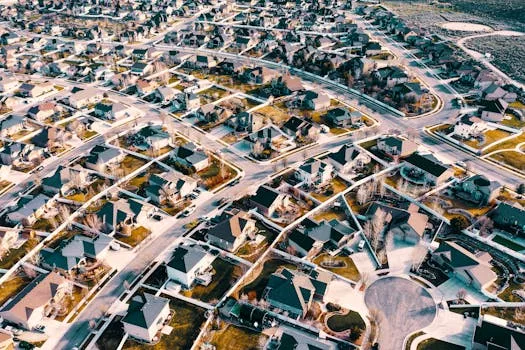
We often picture bustling city centers when we think of connectivity – high-speed internet, ubiquitous Wi-Fi, and seamless mobile signals. But what about the growing number of people living in suburban and rural areas where the digital landscape looks quite different? The reality of less connectivity in the suburbs and rural neighborhoods is a nuanced issue, impacting everything from education and healthcare to economic opportunity and social engagement. It’s not simply about having a slower internet speed; it’s about the profound implications of digital disparity.
Why Does the Digital Divide Persist Beyond the City Limits?
The perception that only the most remote areas suffer from poor connectivity is a misconception. Many suburban and even some fringe rural neighborhoods find themselves in a challenging middle ground. Large internet service providers (ISPs) often prioritize densely populated urban areas where the return on investment is quicker and more significant. This leaves less populated zones, even those just a short drive from a major city, underserved.
Infrastructure Costs: Laying fiber optic cables or upgrading cellular towers is incredibly expensive. For ISPs, the cost per potential customer in lower-density areas is significantly higher, making these projects less financially attractive.
Terrain and Geography: Rural areas, in particular, can present geographical challenges. Mountains, dense forests, and vast open spaces can obstruct signal transmission and make infrastructure installation more difficult and costly.
Market Dynamics: In some cases, competition is limited. If only one or two providers serve an area, there’s less incentive for them to invest heavily in upgrades or to offer competitive pricing. This often leads to a situation where existing, often slower, technologies remain the status quo.
The Ripple Effect: How Less Connectivity Impacts Daily Life
The consequences of less connectivity in the suburbs and rural neighborhoods are far-reaching, affecting the very fabric of community life. It’s not just an inconvenience; it’s a barrier to progress and inclusion.
#### Education and Learning Gaps
For students, reliable internet access is no longer a luxury but a fundamental necessity. During remote learning periods, the disparities became starkly clear.
Homework and Research: Students without adequate home internet struggle to complete online assignments, conduct research, or access educational resources.
Digital Literacy: Limited exposure to online tools and platforms can hinder the development of crucial digital literacy skills necessary for future academic and professional success.
Unequal Opportunities: This digital disadvantage can create a significant gap between students in well-connected areas and those facing connectivity challenges, perpetuating socioeconomic divides.
#### Healthcare Access and Telemedicine
The promise of telemedicine is transformative, offering convenient access to medical professionals, especially for those with mobility issues or living far from clinics. However, its potential is stifled by connectivity limitations.
Telehealth Appointments: Video consultations require stable, high-speed internet. If your connection is spotty, participating in a telehealth appointment can be frustrating, if not impossible.
Remote Monitoring: Wearable devices and home health monitoring systems often rely on consistent internet to transmit vital data to healthcare providers.
Access to Information: Patients may also find it harder to access online health portals, schedule appointments, or research health conditions.
#### Economic Development and Remote Work
The rise of remote work has offered new possibilities for individuals to live where they choose, but this flexibility is contingent on robust internet.
Job Opportunities: Many higher-paying jobs, especially in the tech sector, are now primarily remote. Without reliable connectivity, individuals in underserved areas are excluded from these opportunities.
Entrepreneurship and Small Businesses: Local businesses often rely on online platforms for marketing, sales, and customer service. Poor connectivity can hamstring their growth and competitiveness.
Attracting Talent: Companies looking to establish a presence or expand may be deterred from locating in areas with insufficient digital infrastructure, impacting local job creation.
Bridging the Gap: Solutions and Strategies
Addressing the issue of less connectivity in the suburbs and rural neighborhoods requires a multi-pronged approach involving government, private industry, and community initiatives. It’s a complex puzzle, but solutions are emerging.
Government Funding and Policy: Programs like the FCC’s Universal Service Fund and various state-level broadband initiatives aim to subsidize infrastructure development in underserved areas. Policies that encourage competition and streamline permitting processes can also help.
Public-Private Partnerships: Collaboration between local governments and ISPs can unlock funding and expertise to deploy necessary infrastructure. These partnerships can help share the financial risk and accelerate deployment.
Innovative Technologies: While fiber is the gold standard, technologies like fixed wireless access (FWA) and satellite internet are offering viable alternatives, especially in difficult-to-reach areas. Community-owned broadband networks are also gaining traction.
Digital Inclusion Programs: Beyond infrastructure, initiatives that provide affordable devices and digital literacy training are crucial to ensure that everyone can benefit from connectivity once it’s available.
The Human Element: More Than Just Megabits
It’s easy to get caught up in technical specifications and deployment costs, but at its heart, this is about human connection and opportunity. I’ve spoken with families who have to drive to the local library or a fast-food restaurant just to download school assignments, and small business owners whose potential customers are literally just down the road but inaccessible digitally. This isn’t just about Mbps; it’s about the ability to participate fully in modern society.
Wrapping Up: A Call for Equitable Digital Futures
The disparities in internet access are not immutable facts of life. They are the result of historical investment patterns and market forces that can, and must, be corrected. Ensuring robust and affordable connectivity for everyone, whether they live in a sprawling metropolis or a quiet rural lane, is fundamental to building a more equitable and prosperous future for all. It’s time to ensure that the benefits of the digital age are not confined to the well-connected few but are a reality for every neighborhood.
Kevin
Senior staff writer & editor delivering comprehensive analysis, news reports, and detailed guides.