
The Slippery Slope: When Sleep Aids Become More Problematic Than Helpful
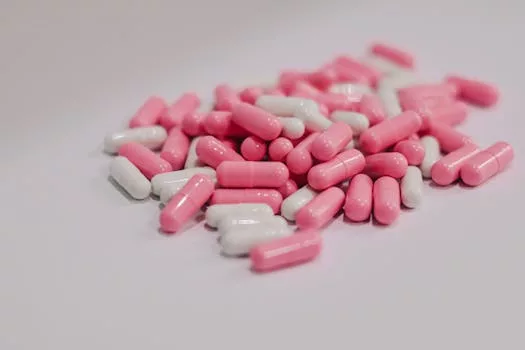
Let’s be honest, we’ve all had those nights. Staring at the ceiling, mind racing, the clock ticking relentlessly towards an early alarm. It’s a common human experience, and in our quest for a good night’s rest, many of us have found ourselves reaching for a sleeping pill. They promise a quick fix, a ticket to dreamland. But what happens when that occasional helper becomes a nightly necessity? This is where the conversation around the overuse of sleeping pills really needs to happen. It’s a topic often shrouded in a bit of stigma, but understanding its nuances is crucial for our well-being.
Why We Turn to Sleep Aids in the First Place
It’s easy to judge, but I get it. Insomnia can be utterly debilitating. It impacts your mood, your focus, your physical health, your relationships – pretty much everything. When you’re exhausted, the allure of a pill that guarantees sleep is incredibly strong. You might think, “Just for a little while,” or “It’s better than not sleeping at all.” And for short-term, acute issues, a doctor-prescribed sleeping aid can be a valuable tool. They can help break a cycle of sleeplessness, allowing you to catch your breath and start addressing the underlying causes. However, the line between occasional use and problematic reliance can blur faster than you might think.
The Hidden Dangers: Beyond Just Dependence
The most talked-about risk, of course, is dependence. Your body can get used to the medication, meaning you need more of it to achieve the same effect, and then you struggle to sleep without it. But the overuse of sleeping pills can lead to a whole host of other issues that are less frequently discussed.
Beyond Dependence: The Wider Impact
It’s not just about being physically hooked. The cognitive and behavioral side effects can be just as, if not more, concerning.
#### Cognitive Fog and Memory Lapses
One of the things I’ve often found surprising is how much sleeping pills can impact your clarity of thought the next day. Even if you feel rested, you might experience what’s often called “hangover effects.” This can manifest as:
Difficulty concentrating
Impaired memory
Slower reaction times
Reduced problem-solving abilities
This isn’t just inconvenient; it can be downright dangerous, especially if you’re driving or operating machinery. It’s like trying to navigate life through a mild fog, and it can significantly impact your productivity and safety.
#### The Rise of “Parasomnia”
This is a really interesting, and frankly, a bit scary, consequence of some sleep aids. Parasomnias are sleep disorders characterized by abnormal behaviors during sleep. Think things like:
Sleepwalking
Sleep-eating
Sleep-driving (yes, this is a real and terrifying phenomenon)
Engaging in phone calls or complex activities you have no memory of afterwards
These events, often called “complex sleep behaviors,” can be triggered by certain types of sedatives and hypnotics, and they carry significant risks for both the individual and others. It’s like your brain is half-on, half-off, leading to actions that are completely out of character.
#### A Cycle of Worsening Sleep
Ironically, long-term reliance on sleeping pills can actually worsen your natural sleep patterns. Your body may become less efficient at initiating sleep on its own, leading to a phenomenon called “rebound insomnia” when you try to stop taking the medication. This can create a frustrating cycle where you need the pills more than ever, precisely because you’ve been relying on them. It’s a hard cycle to break, which is why seeking professional guidance is so important.
Understanding the Different Types of Sleep Aids
It’s worth noting that not all sleep aids are created equal. They fall into different categories, and their risks and benefits vary.
Benzodiazepines: These are often prescribed for anxiety and can be very effective for short-term insomnia. However, they carry a higher risk of dependence and withdrawal.
Non-benzodiazepine hypnotics (e.g., Zolpidem, Zaleplon, Eszopiclone): These are commonly prescribed for insomnia. While generally considered safer than benzodiazepines for some risks, they can still lead to dependence and the parasomnia issues I mentioned.
Antidepressants with Sedative Properties: Some antidepressants are used off-label to help with sleep, particularly if there’s an underlying mood disorder.
Over-the-Counter (OTC) Options (e.g., Antihistamines): These can cause daytime drowsiness and are generally not recommended for chronic insomnia due to potential anticholinergic side effects.
Navigating Towards Healthier Sleep Solutions
So, if the overuse of sleeping pills is a concern, what are the alternatives? The good news is, there are many. The key is to address the root cause of your sleep issues, rather than just masking the symptoms.
#### The Power of Cognitive Behavioral Therapy for Insomnia (CBT-I)
This is often considered the gold standard for chronic insomnia, and for good reason. CBT-I is a structured program that helps you identify and replace thoughts and behaviors that cause or worsen sleep problems. It’s not about taking a pill; it’s about retraining your brain and body for better sleep. It typically involves:
Sleep Restriction: Temporarily limiting time in bed to consolidate sleep.
Stimulus Control: Re-associating your bed with sleep only.
Cognitive Restructuring: Challenging negative thoughts about sleep.
Sleep Hygiene Education: Learning about healthy sleep habits.
I’ve seen firsthand how effective CBT-I can be. It’s a journey, for sure, but the results are often more sustainable and empowering than relying on medication.
#### Lifestyle Adjustments That Make a Big Difference
Sometimes, small tweaks to your daily routine can have a profound impact on your sleep. Consider these:
Consistent Sleep Schedule: Go to bed and wake up around the same time every day, even on weekends.
Create a Relaxing Bedtime Routine: Wind down for an hour before bed with activities like reading, a warm bath, or gentle stretching.
Optimize Your Sleep Environment: Make sure your bedroom is dark, quiet, and cool.
Watch Your Diet and Exercise: Avoid caffeine and heavy meals close to bedtime. Regular exercise can improve sleep, but try not to do intense workouts too close to when you want to sleep.
Limit Screen Time: The blue light emitted from devices can interfere with your body’s natural sleep-wake cycle.
#### When to Seek Professional Help
If you’re struggling with sleep, the first and most important step is to talk to your doctor. They can help you:
Diagnose the underlying cause of your insomnia.
Rule out any medical conditions that might be affecting your sleep.
Discuss appropriate short-term treatment options if needed.
* Refer you to specialists, such as sleep physicians or therapists trained in CBT-I.
Don’t be embarrassed to bring this up. Healthcare professionals are there to help, and they’ve heard it all before.
## Wrapping Up: Reclaiming Your Sleep, Naturally
The temptation of a quick fix for sleeplessness is understandable. However, the path of overuse of sleeping pills is often a winding road with unforeseen consequences that can leave you feeling more stuck than before. True, restorative sleep isn’t just about being unconscious; it’s about a healthy, natural cycle that rejuvenates your mind and body. By understanding the risks, exploring evidence-based alternatives like CBT-I, and making mindful lifestyle adjustments, you can build a foundation for consistent, high-quality sleep that doesn’t come with a list of potential drawbacks. Let’s aim for sleep that truly heals, not just hides the problem.
Kevin
Senior staff writer & editor delivering comprehensive analysis, news reports, and detailed guides.