
The Invisible Threads: How Supply Chains Weave Our Modern World Together
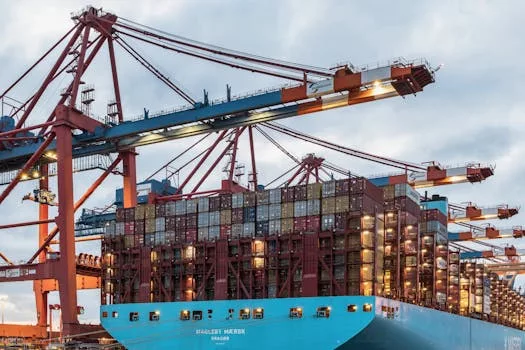
Ever thought about that morning cup of coffee? Or the smartphone in your pocket? It’s easy to take these everyday conveniences for granted, but behind every product we use and enjoy lies an incredibly complex dance of logistics, manufacturing, and distribution – what we call the supply chain. It’s not just about trucks and warehouses; it’s the pulsating circulatory system of global commerce, quietly ensuring that the right things get to the right place at the right time. If you’ve ever wondered what really makes the economy tick, understanding the supply chain is your key.
Beyond the Buzzword: What’s Really Going On?
Let’s be honest, “supply chain” can sometimes sound like a corporate buzzword, something abstract and distant. But at its heart, it’s wonderfully straightforward. Think of it as a journey. It begins with raw materials – the minerals dug from the earth, the cotton grown on a farm, the oil extracted from a well. From there, these materials are transformed by manufacturers into components, then into finished products. Next comes the vital task of getting those products to wholesalers, retailers, and ultimately, to you, the consumer.
This entire process, from origin to destination, involves a multitude of interconnected players:
Suppliers: The folks who provide the raw materials or components.
Manufacturers: Those who assemble everything into a final product.
Distributors/Wholesalers: The intermediaries who move goods in larger quantities.
Retailers: The businesses where we actually buy our stuff.
Logistics Providers: The companies managing transportation, warehousing, and inventory.
Customers: That’s us!
Each step needs to be coordinated with precision. A glitch at any point can send ripples, sometimes quite disruptive ones, throughout the entire chain.
Why Your Supply Chain Matters (More Than You Think!)
You might be thinking, “Okay, that’s interesting, but why should I care?” Well, a well-oiled supply chain is the bedrock of customer satisfaction and business success. When it works flawlessly, you get your orders quickly, at a fair price, and with consistent quality. For businesses, this translates into:
Cost Efficiency: Streamlined operations mean fewer wasted resources and lower expenses. Think about fuel savings from optimized shipping routes or reduced inventory holding costs.
Enhanced Customer Loyalty: Speedy deliveries and readily available products build trust and keep customers coming back. Nobody likes waiting weeks for an online order or finding their favorite item out of stock.
Competitive Advantage: Companies with superior supply chains can often offer better prices or faster service, setting them apart from rivals.
Resilience and Adaptability: In today’s unpredictable world, a robust supply chain can weather disruptions – from natural disasters to geopolitical events – more effectively.
Navigating the Complexities: Key Elements in Play
So, what makes a supply chain tick? It’s a blend of strategic planning, robust execution, and a keen eye on technology. Let’s break down some crucial aspects:
#### 1. Sourcing and Procurement: The Foundation
This is where it all begins – identifying and securing the raw materials and components needed. It’s not just about finding the cheapest option; it’s about finding reliable suppliers who can consistently deliver quality goods. In my experience, building strong relationships with suppliers is paramount. It fosters open communication and makes it easier to navigate challenges when they arise. Key considerations here include:
Supplier Vetting: Ensuring partners meet quality, ethical, and financial standards.
Negotiation: Securing favorable terms without compromising quality or reliability.
Risk Management: Diversifying suppliers to avoid over-reliance on a single source.
#### 2. Manufacturing and Production: Bringing it to Life
Once materials are in hand, manufacturing kicks into gear. This phase is all about efficiently transforming those inputs into finished goods. This involves optimizing production schedules, managing inventory of components, and ensuring quality control at every stage. Think lean manufacturing principles, just-in-time inventory, and automation. The goal is to produce efficiently, minimize waste, and meet demand without overproducing.
#### 3. Logistics and Transportation: The Great Movement
This is perhaps the most visible part of the supply chain for many of us. It’s how goods move from point A to point B. This encompasses:
Warehousing: Storing goods safely and efficiently.
Inventory Management: Tracking stock levels to meet demand without excess.
Transportation Modes: Choosing the right mix of sea, air, rail, and road to balance speed, cost, and environmental impact.
Last-Mile Delivery: The final, often trickiest, leg of getting products to the consumer’s doorstep.
The rise of e-commerce has put immense pressure on logistics, making efficient last-mile solutions a critical differentiator.
#### 4. Technology and Data: The Nervous System
You can’t talk about modern supply chains without mentioning technology. From Enterprise Resource Planning (ERP) systems to sophisticated tracking software and Artificial Intelligence (AI), technology is the backbone of visibility and efficiency.
Real-time Tracking: Knowing where your goods are at any moment.
Demand Forecasting: Using data to predict future customer needs, helping to optimize production and inventory.
Automation: Streamlining repetitive tasks in warehouses and manufacturing.
* Blockchain: Enhancing transparency and security across the chain.
The ability to collect, analyze, and act on data is no longer a luxury; it’s a necessity for any serious player in the supply chain game.
#### 5. Risk Management and Resilience: Preparing for the Unexpected
Remember those disruptions I mentioned? A truly effective supply chain isn’t just about efficiency; it’s about resilience. This means proactively identifying potential risks – natural disasters, political instability, supplier failures, cyberattacks – and having contingency plans in place. It’s about building flexibility into the system so it can adapt quickly when the unexpected happens. Building redundancy, diversifying sourcing, and maintaining strong communication channels are key strategies. It’s interesting to note how recent global events have highlighted the critical importance of this often-overlooked aspect.
The Future is Connected: Evolving Supply Chain Dynamics
The world of supply chain management is constantly evolving. We’re seeing a push towards greater sustainability, with companies focusing on reducing their environmental footprint through greener logistics and ethical sourcing. The integration of the Internet of Things (IoT) is creating even more interconnected systems, providing granular data on everything from factory output to truck engine performance.
Furthermore, the pandemic dramatically reshaped how we view supply chain resilience. Companies are no longer solely focused on cost optimization but are actively seeking to build more robust and agile networks that can withstand shocks. This often means holding more inventory, diversifying manufacturing locations, and investing in advanced analytics to predict and mitigate risks. The goal is to create supply chains that are not just efficient but also incredibly nimble.
Wrapping Up: Your Next Move
So, there you have it – the intricate, often invisible, but absolutely vital world of the supply chain. It’s a field that demands constant adaptation, strategic thinking, and a deep understanding of how interconnected everything truly is. Whether you’re a consumer, a business owner, or just curious about how the world works, appreciating the complexities and innovations within supply chains offers a profound insight into global commerce.
My advice? Next time you receive a package, take a moment to marvel at the journey it took. Think about the hands it passed through, the vehicles that moved it, and the technology that tracked it. Understanding the supply chain isn’t just about business; it’s about understanding the very fabric of our modern lives.
Kevin
Senior staff writer & editor delivering comprehensive analysis, news reports, and detailed guides.