
The Humble Card: More Than Just Plastic for Your Pocket
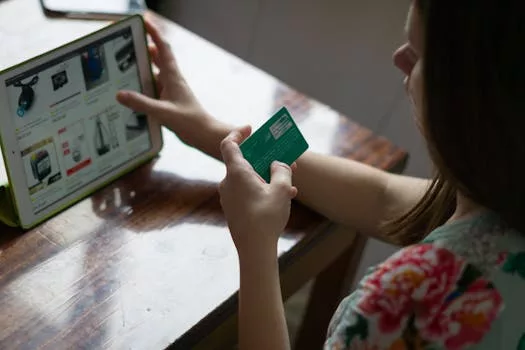
Remember the good old days of lugging around a sack of coins, praying you had exact change? Me neither, but I’ve heard stories. These days, our wallets are significantly lighter, and our transactions are often just a tap or a click away, thanks to the marvel that is card payment methods. It’s easy to take them for granted, like that one reliable friend who always remembers your birthday. But beneath the surface of these ubiquitous plastic rectangles (or digital wallet icons) lies a surprisingly complex and fascinating ecosystem. Let’s dive in, shall we?
Swiping, Dipping, and Tapping: A Brief History of Card Transactions
It wasn’t always this smooth. For decades, the humble magnetic stripe reigned supreme. That satisfying swish as you slid your card through a reader? Pure 1970s innovation. It was revolutionary, storing your account information in a way that could be read by machines. However, as with many things, innovation marched on, and the magnetic stripe, while still around, started showing its age, particularly in the security department.
Then came the EMV chip – that tiny, metallic square you’ve probably become intimately familiar with. These chips create a unique transaction code for every single purchase. It’s like giving each transaction a unique fingerprint, making it significantly harder for fraudsters to counterfeit your card details. This shift, often referred to as “dipping” your card, represented a huge leap forward in security, and the transition was a bit of a global undertaking.
And now? We live in the era of contactless payments. A gentle tap of your card or phone against the terminal, and poof, payment made. It’s fast, convenient, and frankly, feels a little bit like living in the future. Behind these simple actions are sophisticated technologies like Near Field Communication (NFC) at play, ensuring your money moves safely and swiftly.
Decoding the Different Card Payment Methods: Your Pocket’s Best Friends
When we talk about “card payment methods,” we’re not just talking about one monolithic entity. Oh no, it’s a rich tapestry of options, each with its own nuances.
#### Credit Cards: The Borrowed Bucks Brigade
These are perhaps the most well-known. You use a credit card, and the card issuer (like Visa or Mastercard) pays the merchant. You then owe the card issuer that money back, usually with interest if you don’t pay your balance in full by the due date. They’re fantastic for building credit history, offering purchase protection, and often come with nifty rewards programs (who doesn’t love free flights or cashback?).
However, it’s crucial to remember that credit cards are a form of borrowing. If used irresponsibly, that convenience can quickly turn into a debt spiral. It’s a tool, and like any tool, it requires a bit of know-how to wield effectively.
#### Debit Cards: Your Own Money, Digitally Delivered
Debit cards, on the other hand, are directly linked to your bank account. When you make a purchase with a debit card, the money is immediately deducted from your checking account. It’s like a digital check, but faster and far more convenient. This makes them a great way to control spending, as you can only spend what you actually have.
The upside? No interest charges, and it helps you stay within your budget. The potential downside? Fewer consumer protections compared to credit cards, and if your PIN is compromised, fraudsters could potentially drain your account directly. Always keep a close eye on your bank statements!
#### Prepaid Cards: The Budget-Friendly Buffer
Prepaid cards are a bit like a modern-day gift card, but more versatile. You load a specific amount of money onto the card, and you can only spend up to that balance. They’re excellent for managing budgets, giving as gifts, or for individuals who might not qualify for a traditional credit or debit card. They offer a degree of anonymity and can be a safer alternative for online transactions if you’re wary of exposing your primary bank accounts.
The Technology Behind the Tap: How Does it Actually Work?
So, you tap your card, and the magic happens. But what is the magic?
- Initiation: When you tap your card (or phone), an encrypted signal is sent to the payment terminal.
- Authorization: The terminal relays this information to your card network (Visa, Mastercard, etc.).
- Verification: The network checks with your bank to ensure you have sufficient funds (for debit) or credit limit (for credit) and that the transaction isn’t suspicious.
- Approval/Denial: The response is sent back to the terminal.
- Completion: If approved, the transaction is completed, and the funds are moved (or earmarked).
It all happens in a matter of seconds, a testament to the incredible engineering and infrastructure that underpins our modern financial systems. It’s a symphony of data exchange, all orchestrated to make your life just a little bit easier (and a lot less reliant on loose change).
Security: Keeping Your Card Payment Methods Safe and Sound
Let’s face it, when we’re talking about “card payment methods,” security is the elephant in the room. We’ve already touched on EMV chips and encryption, but there’s more to it. Tokenization, for instance, replaces your actual card details with a unique “token” that can only be used for that specific transaction or merchant. This means your sensitive information is never directly exposed.
Two-factor authentication (2FA) is another crucial layer, especially for online transactions. This often involves a code sent to your phone or a fingerprint scan, adding an extra hurdle for any would-be digital pickpockets.
And of course, there’s the vigilance required from us, the users. Regularly checking your statements, being wary of unsolicited requests for card details, and using strong, unique passwords for online accounts are all vital. It’s a partnership between technology and common sense.
The Future of Card Payment Methods: What’s Next?
The world of payments is anything but static. We’re seeing a massive surge in mobile payments, with digital wallets becoming increasingly commonplace. Biometric authentication – using your fingerprint, facial scan, or even your voice to authorize payments – is also gaining traction, promising even greater convenience and security. Wearable payment devices, like smartwatches and rings, are also slowly but surely making their mark.
It’s an exciting time to be a consumer, with more secure, convenient, and innovative ways to pay emerging all the time. The humble card payment methods have come a long way, and the journey is far from over.
Wrapping Up: Mastering Your Card’s Capabilities
So there you have it – a whirlwind tour of the dynamic world of card payment methods. From the nostalgic swipe of a magstripe to the futuristic tap of a smartwatch, these tools have fundamentally reshaped how we conduct commerce. Understanding the differences between credit, debit, and prepaid options, along with the underlying security measures, empowers you to make informed choices and keep your finances secure. The convenience is undeniable, but so is the responsibility that comes with it.
Now that you’re armed with this knowledge, how will you ensure your card payment methods are working for you, not against you, in this ever-evolving financial landscape?
Kevin
Senior staff writer & editor delivering comprehensive analysis, news reports, and detailed guides.