
The FDA: More Than Just a Watchdog, It’s Your Health’s Shield
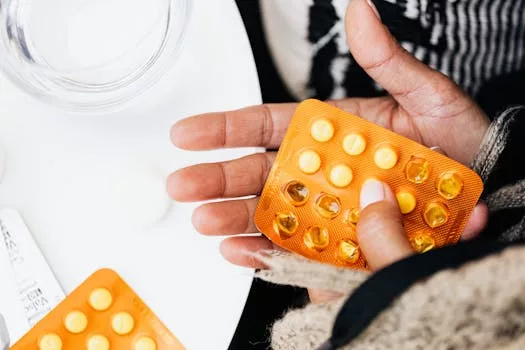
Have you ever stopped to think about the journey a new medicine takes before it reaches your pharmacy shelf, or how your favorite snack earns its safety stamp? It’s a complex process, and at its heart lies an organization that often works quietly behind the scenes, yet impacts our daily lives profoundly: the Food and Drug Administration. Many perceive it solely as a regulatory body, a stern enforcer of rules. But in my experience, its role is far more nuanced and, frankly, far more vital than most realize. It’s not just about preventing the bad; it’s about ensuring the good can reach us safely and effectively.
Demystifying the FDA’s Mandate: What’s Really on Their Plate?
At its core, the Food and Drug Administration is tasked with protecting public health by ensuring the safety, efficacy, and security of human and veterinary drugs, biological products, medical devices, our nation’s food supply, cosmetics, and products that emit radiation. That’s a massive portfolio, isn’t it? It means they’re involved in everything from the initial research and development stages of life-saving treatments to scrutinizing the ingredients in your morning cereal.
The agency operates under numerous laws passed by Congress, which grant it the authority to regulate these diverse products. This authority isn’t just about slapping a “rejected” sticker on something; it involves a rigorous scientific review process. For pharmaceuticals, this means evaluating clinical trial data to determine if a drug is both safe and effective for its intended use. For food, it’s about setting standards for manufacturing, preventing contamination, and ensuring accurate labeling so you know precisely what you’re consuming. It’s a constant balancing act between innovation and public protection.
Navigating the Labyrinth: How the FDA Approves New Innovations
The process for approving a new drug or medical device is notoriously lengthy and complex. It’s designed to be that way. Imagine the stakes: a new therapy could revolutionize treatment for a devastating disease, or a faulty medical implant could cause severe harm. Therefore, before anything hits the market, it undergoes a multi-phase review.
Pre-Clinical Testing: This stage involves laboratory and animal studies to assess the basic safety profile and biological activity of a potential drug.
Investigational New Drug (IND) Application: If pre-clinical tests show promising results, researchers can apply to the FDA to begin human testing.
Clinical Trials (Phases 1, 2, and 3): These are the crucial human testing phases. Phase 1 focuses on safety in a small group of healthy volunteers. Phase 2 assesses efficacy and side effects in a larger group of patients with the target condition. Phase 3 involves even larger patient populations to confirm efficacy, monitor side effects, and compare the drug to commonly used treatments.
New Drug Application (NDA) or Biologics License Application (BLA): If clinical trials demonstrate sufficient safety and efficacy, the manufacturer submits a comprehensive application to the FDA for review.
FDA Review and Approval: A team of FDA scientists and medical reviewers scrutinizes all submitted data. They decide whether the benefits of the drug outweigh its risks.
This rigorous pathway ensures that only well-tested and effective products make it to consumers. It’s a testament to the FDA’s commitment to science-driven decision-making, preventing potential disasters before they even have a chance to occur.
Beyond Medications: Safeguarding Our Daily Bites
It’s easy to associate the Food and Drug Administration primarily with medicines, but its purview over the food supply is equally critical. Think about it: how do we know if that carton of milk is safe to drink or if the packaged salad you bought is free from harmful bacteria? The FDA sets and enforces standards for food safety, including:
Good Manufacturing Practices (GMPs): These are rules that manufacturers must follow to ensure their products are consistently produced and controlled according to quality standards.
Preventive Controls for Human and Animal Food: This rule requires food facilities to implement a food safety plan that addresses hazards that could affect food intended for human and animal consumption.
Labeling Requirements: Accurate nutritional information, ingredient lists, and allergen warnings are mandated to help consumers make informed choices.
* Inspections: The FDA conducts regular inspections of food facilities to ensure compliance with regulations.
In my view, this proactive approach to food safety is one of the FDA’s most impactful contributions. It’s the invisible safety net that allows us to enjoy a diverse and abundant food supply with a reasonable degree of confidence.
The Evolving Landscape: Challenges and Future Directions
The world of food, drugs, and medical devices is constantly evolving. New technologies, emerging diseases, and changing consumer habits present ongoing challenges for the FDA. For instance, the rapid growth of dietary supplements, which are regulated differently than drugs, requires continuous vigilance. Similarly, the rise of personalized medicine and gene therapies necessitates adaptable regulatory frameworks.
The agency is also increasingly focused on improving access to innovative therapies while maintaining rigorous safety standards, a delicate balance indeed. Furthermore, globalized supply chains mean that the FDA must collaborate with international regulatory bodies to ensure the safety of products entering and leaving the United States. It’s a dynamic environment, and the FDA’s ability to adapt its scientific expertise and regulatory approaches will be key to its continued success.
Final Thoughts: Empowering Informed Choices
The Food and Drug Administration plays an indispensable role in our lives, acting as a critical guardian of public health. While the regulations and scientific reviews may seem distant, their impact is tangible – from the medicines that heal us to the food that nourishes us. Understanding its multifaceted mission helps us appreciate the depth of effort invested in ensuring the safety and efficacy of the products we rely on daily.
So, the next time you pick up a prescription or unpack your groceries, take a moment to consider the intricate system that helped bring those items to you. How can we better support and understand the vital work of the Food and Drug Administration in safeguarding our collective well-being?
Kevin
Senior staff writer & editor delivering comprehensive analysis, news reports, and detailed guides.