
Rethinking Your Kitchen Space: More Than Just Countertops
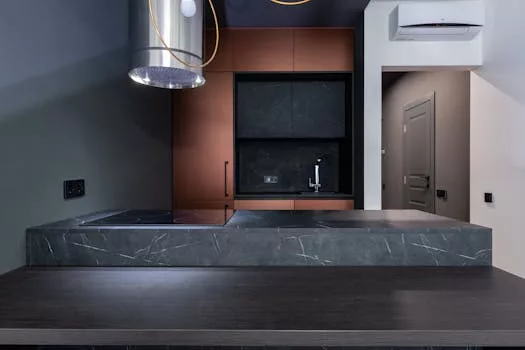
Have you ever found yourself staring at your kitchen, wondering if it’s truly serving you as well as it could? Perhaps you’re constantly battling clutter, or maybe the layout feels awkward, hindering your culinary flow. It’s a common predicament, and one that points directly to the importance of kitchen space. It’s not merely about the square footage you have available; it’s about how effectively that area is designed, organized, and utilized.
In my experience, people often underestimate the profound impact that a well-conceived kitchen space can have on their daily lives. It’s the heart of the home, a place for creation, connection, and sustenance. But when that space is a source of frustration rather than inspiration, it’s time to ask: are we truly maximizing its potential? This exploration delves into the nuanced world of kitchen space, encouraging you to look beyond the obvious and consider the thoughtful strategies that can unlock its full power.
The Geometry of Culinary Success: Flow and Zones
One of the most critical, yet often overlooked, aspects of kitchen space is its inherent flow. Think about your typical cooking routine: retrieving ingredients from the pantry or fridge, prepping on the counter, cooking at the stove, and finally, plating. Does your current layout create a logical path for these movements, or does it feel like a series of awkward detours? This is where the concept of kitchen zones becomes paramount.
We’re not just talking about the classic “work triangle” (sink, stove, refrigerator), although that’s a foundational element. Modern kitchens benefit from distinct zones:
The Prep Zone: Ample, clear counter space, ideally near the sink and waste disposal. This is where the chopping, dicing, and mixing happen.
The Cooking Zone: Centered around the range or cooktop, with easy access to essential utensils, spices, and pots.
The Cleaning Zone: Centered on the sink, dishwasher, and drying racks, with storage for cleaning supplies.
The Storage Zone: Primarily the pantry and refrigerator, designed for efficient access to ingredients.
The Serving/Eating Zone: Whether a breakfast bar, dining nook, or island, this area facilitates the transition from preparation to enjoyment.
When these zones are thoughtfully arranged, they minimize unnecessary movement, reduce the risk of collisions (especially in busy kitchens!), and make the entire cooking process smoother. It’s about creating an intuitive environment where your actions feel natural and efficient, transforming kitchen chores into a more fluid experience. Have you ever considered how much time and energy you might be expending simply navigating a poorly laid out kitchen space?
Vanishing Acts: Mastering the Art of Storage
Clutter is the nemesis of any well-functioning kitchen. When your countertops are perpetually covered in gadgets, mail, and stray utensils, it’s not just an aesthetic issue; it’s a functional one. Effective storage is the bedrock of a serene and efficient kitchen space. But how do we achieve it without resorting to cramming things into every available nook and cranny?
The key lies in smart storage solutions. This isn’t just about adding more cabinets, but about optimizing the storage you already have.
Vertical Real Estate: Don’t neglect the space above your cabinets or the height within them. Consider adding extra shelves, drawer dividers, or tiered organizers. Wall-mounted spice racks or magnetic knife strips can free up valuable counter space.
Deep Dive Drawers: Instead of reaching into the dark abyss of lower cabinets, opt for deep drawers. They provide excellent visibility and easy access to pots, pans, and even small appliances.
Pull-Out Shelves and Pantries: These are game-changers for hard-to-reach corners and back shelves, making everything visible and accessible.
Multipurpose Islands and Carts: These can offer not only extra prep surface but also hidden storage compartments, acting as a mobile command center for your kitchen.
It’s fascinating to observe how a few well-placed organizational tools can completely transform the perceived size and usability of a kitchen. When everything has its designated place, your countertops become clear canvases, ready for the creative act of cooking. This focus on clever kitchen organization is often the most impactful step towards a more enjoyable culinary environment.
Beyond the Basics: Lighting and Ergonomics
When we talk about kitchen space, we often gravitate towards layout and storage. However, two often-overlooked elements can dramatically enhance both its functionality and your enjoyment: lighting and ergonomics. These aren’t just minor details; they are crucial contributors to how your kitchen feels and performs.
The Illuminating Truth About Kitchen Lighting:
Think about the different tasks performed in a kitchen: bright, focused light is needed for chopping vegetables, while softer, ambient light is perfect for casual meals or evening relaxation. A layered lighting approach is essential.
Task Lighting: Under-cabinet lights are indispensable for illuminating countertops, banishing shadows cast by upper cabinets. Pendant lights over an island or sink can provide focused light where needed.
Ambient Lighting: Recessed ceiling lights or a central fixture provide overall illumination for the room.
Accent Lighting: Consider lighting inside glass-front cabinets to showcase dishware or in toe-kick areas for a subtle, modern glow.
The right lighting can make a small kitchen feel larger and more inviting, and it significantly impacts your ability to work safely and comfortably.
Ergonomics: Designing for Your Body:
Have you ever found yourself bending awkwardly to reach something, or standing at a counter that’s just a bit too high or too low? This is where ergonomics comes into play. Designing your kitchen space with your body in mind can prevent strain and make cooking a genuinely comfortable experience.
Countertop Height: While standard heights exist, consider if a slightly varied height for certain prep areas might suit you better.
Appliance Placement: Ensure appliances are at a comfortable reach and can be operated without undue stretching or bending.
Clearances: Sufficient space between countertops, islands, and appliances is vital for comfortable movement and to prevent bumping into things.
Focusing on these details ensures that your kitchen doesn’t just look good, but it feels good to use, day in and day out.
Visualizing Your Ideal Kitchen Space
It’s easy to get bogged down in the practicalities of kitchen space, but let’s not forget the aesthetic dimension. How do you want your kitchen to feel? Is it a bright, airy hub for family gatherings, or a sleek, modern sanctuary for the serious home chef?
Color Palette: Light colors can make a space feel larger, while bolder hues can create a cozy or dramatic effect. Consider how natural light plays with different shades.
Material Choices: The textures and finishes of your cabinets, countertops, and backsplashes play a significant role in the overall atmosphere. A warm wood can bring coziness, while polished stone might offer a sophisticated feel.
Open vs. Closed Storage: Do you prefer the curated display of open shelving, or the clean, uncluttered look of closed cabinets? A balance of both can often provide the best of both worlds.
Visualizing your ideal kitchen space involves more than just picking out pretty finishes; it’s about creating an environment that reflects your lifestyle and enhances your well-being. It’s about making your kitchen space a true extension of yourself.
Wrapping Up: Embrace the Evolution of Your Kitchen Space
Ultimately, optimizing your kitchen space is an ongoing conversation, not a one-time project. It’s about observing how you use your kitchen, identifying pain points, and making thoughtful adjustments. Don’t be afraid to experiment with different organizational strategies or to re-evaluate your layout as your needs evolve.
My advice? Start small. Pick one area – perhaps the pantry or a cluttered countertop – and implement a new organizational system. Observe the difference it makes. Then, tackle another. Over time, these small changes will compound, leading to a significantly more functional, enjoyable, and beautiful kitchen space that truly serves you.
Kevin
Senior staff writer & editor delivering comprehensive analysis, news reports, and detailed guides.