
Recognizing Stress and Anxiety in Pets and Helping Them Cope
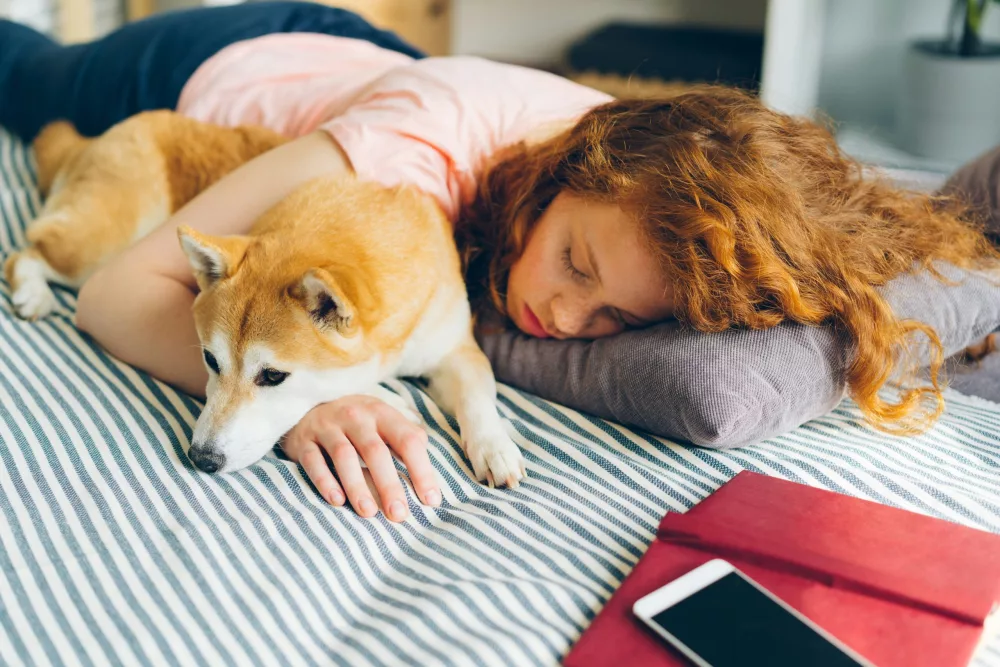
Pets experience stress and anxiety, much like we do, and being able to recognize the signs is the first step toward helping them. It’s not always obvious, as our animal companions can’t precisely tell us what’s bothering them. This guide will walk you through identifying common indicators of distress and practical ways to support your pet through these challenging moments, focusing on concrete actions you can take.
Stress and anxiety in pets aren’t just about them being “naughty” or “stubborn.” These are genuine emotional responses to situations they perceive as threatening or overwhelming. While often used interchangeably, stress is typically a short-term response to a specific event (like a trip to the vet), while anxiety is a more sustained state of worry, anticipatory fear, or nervousness. Both can significantly impact their well-being.
What Triggers Stress and Anxiety?
Many things can trigger stress or anxiety in pets. Recognizing these common culprits can help you anticipate potential issues and take preventative measures.
- Environmental Changes: Moving to a new home, renovations, or even rearranging furniture can be unsettling.
- Loud Noises: Fireworks, thunderstorms, construction, or even loud parties can be incredibly distressing.
- Separation: Being left alone, particularly for long periods, is a major source of anxiety for many pets, especially dogs.
- New People or Pets: Introductions can be stressful, whether a new baby, a houseguest, or a new animal companion.
- Changes in Routine: Pets thrive on routine. Disruptions to feeding times, walks, or bedtime can cause distress.
- Pain or Illness: Physical discomfort or underlying medical conditions can manifest as behavioral changes indicative of stress.
- Past Traumas: Pets, especially rescues, may carry anxieties from previous negative experiences.
- Lack of Socialization: Insufficient positive exposure to various sights, sounds, and experiences during critical developmental periods can lead to fear and anxiety later on.
- Unfamiliar Objects: New and unusual items in their environment can be perceived as threats.
How Does Stress Affect Pets?
Chronic stress and anxiety can have both behavioral and physiological impacts. It’s not just about them being unhappy; it can genuinely affect their health.
- Behavioral Issues: This is often what owners notice first.
- Physical Symptoms: Stress isn’t just mental; it impacts the body.
- Suppressed Immune System: Prolonged stress can weaken their ability to fight off illness.
- Gastrointestinal Problems: Diarrhea, vomiting, or appetite changes are common.
- Cardiovascular Strain: In severe cases, particularly in older or predisposed animals, stress can impact heart health.
Recognizing the Signs of Stress and Anxiety
Observing your pet’s body language and behavior is crucial. These signs can be subtle at first, becoming more pronounced with increased distress. Pay attention to changes from their normal demeanor.
Body Language Indicators
Pets communicate a great deal through their physical cues. Learning to read these signals can give you early warnings.
- Dogs:
- Lip Licking/Yawning: Often out of context, not after eating or waking up.
- Panting: Without exertion or heat.
- Tucked Tail: Held low or between the legs.
- Ears Pinned Back/Sideways: Flattened against the head or held in an unusual position.
- Avoiding Eye Contact: Turning head away, looking down.
- Stiff Body Posture: Tense muscles, rigid stance.
- Trembling/Shaking: Even when not cold.
- Hunching: Body lowered, trying to appear smaller.
- Raised Hackles: Hair standing up along the spine.
- Whale Eye: Eyes wide with the whites visible.
- Excessive Shedding: Losing a lot of fur, especially when being petted.
- Submissive Urination: Small puddles when greeted or startled.
- Growling/Snapping: As a last resort when feeling cornered or threatened.
- Cats:
- Crouching/Hiding: Seeking refuge under furniture or in small spaces.
- Tail Low/Wrapped Tight: Held close to the body, not swinging loosely.
- Ears Pinned Back/Flat: Flattened against the head.
- Dilated Pupils: Eyes appearing large and black.
- Hissing/Spitting/Growling: Defensive postures.
- Piloerection: Hair standing up, making them look larger.
- Swatting/Scratching: Using claws in defense.
- Excessive Grooming: Over-licking an area, leading to bald spots or skin irritation.
- Inappropriate Urination/Defecation: Outside the litter box.
- Loss of Appetite: Refusing to eat.
- Changes in Vocalization: Excessive meowing, howling, or unusual silence.
Behavioral Changes
Beyond immediate body language, longer-term behavioral shifts can indicate ongoing stress or anxiety.
- Destructive Chewing/Scratching: Especially when left alone, often targeting doorframes or furniture.
- House Soiling: Urinating or defecating indoors, despite being house-trained.
- Excessive Vocalization: Barking, howling, meowing, or whining more frequently or intensely.
- Loss of Appetite or Overeating: Significant changes in eating habits.
- Lethargy/Withdrawal: Reduced activity, reluctance to engage in play, hiding more often.
- Restlessness/Pacing: Inability to settle down, constantly moving around.
- Repetitive Behaviors (Compulsive Disorders): Tail-chasing, flank-sucking, excessive licking, or self-mutilation.
- Aggression: Increased irritability, snapping, growling, or biting.
- Clinginess: Following you everywhere, unable to be separated.
- Escape Attempts: Trying to get out of the yard, crate, or house.
- Digging: Excessive digging, even indoors.
Consulting a Professional

If you notice persistent or severe signs of stress or anxiety, or if new behaviors emerge suddenly, a professional opinion is vital. Addressing the root cause is often the most effective approach.
When to See Your Veterinarian
Before assuming a behavioral issue, rule out any underlying medical problems. Many conditions can cause symptoms that mimic anxiety.
- Sudden Onset of Symptoms: If your pet suddenly starts exhibiting anxious behaviors without an obvious trigger.
- Physical Symptoms: Vomiting, diarrhea, changes in appetite, unexplained weight loss or gain, or excessive thirst.
- Lethargy or Pain: Any signs of discomfort or reduced energy levels.
- New or Worsening Aggression: This requires careful evaluation to ensure safety and proper management.
- Inappropriate Elimination: Especially if it’s a new behavior in a house-trained pet, as it can indicate urinary tract infections or other medical issues.
Your vet can perform a thorough examination, run diagnostic tests, and rule out medical causes. If medical issues are excluded, they can refer you to specialists or discuss behavioral modification strategies.
Considering a Certified Professional Dog Trainer or Feline Behaviorist
For complex behavioral issues, a specialist can provide tailored guidance. These professionals have expertise in animal learning and behavior.
- Certified Professional Dog Trainers (CPDT-KA, KPA-CTP, etc.): Can help with obedience, leash reactivity, common anxieties, and improving communication between you and your dog. Look for certifications that demonstrate knowledge and ethical practices.
- Veterinary Behaviorists (DACVB): Veterinarians who have completed extensive post-doctoral training in animal behavior. They are qualified to diagnose and treat complex behavioral disorders and can prescribe medication if necessary. This is often the best choice for severe anxiety, aggression, or compulsive disorders.
- Certified Applied Animal Behaviorists (CAAB): Professionals with advanced degrees (Master’s or PhD) in animal behavior. They develop and implement behavior modification plans.
When choosing a professional, ensure they use positive reinforcement methods. Avoid anyone who suggests aversive techniques, dominance theory, or punishment-based training, as these can exacerbate fear and anxiety.
Practical Ways to Help Your Pet Cope

Once medical issues are ruled out and you have an understanding of the triggers, you can implement strategies to help your pet feel more secure and manage their anxiety. Consistency is key.
Creating a Safe and Predictable Environment
Pets thrive on stability. A consistent and secure environment can significantly reduce stress.
- Establish a Routine: Regular feeding times, walks, playtime, and bedtime provide predictability.
- Designate a Safe Space: This should be a comfortable, quiet area where your pet can retreat and feel secure. This might be a crate (properly introduced), a bed in a low-traffic room, or a cat tree. Never use this space for punishment.
- Reduce Noise and Stimulation: During known triggers (like fireworks), close windows, draw curtains, and use white noise machines or calming music to muffle loud sounds.
- Provide Mental Stimulation: Puzzle toys, sniff games, and training sessions can redirect energy and provide a healthy outlet for their minds, reducing boredom-induced anxiety.
- Ensure Proper Exercise: Physical activity is a great stress reliever. Tailor exercise to your pet’s breed, age, and health.
- Interactive Play: Engage them in games they enjoy. This strengthens your bond and helps them release pent-up energy.
Behavioral Modification Techniques
These techniques aim to change your pet’s emotional response to anxiety-inducing stimuli. This takes time, patience, and consistency.
- Desensitization and Counter-Conditioning: Gradually expose your pet to the anxiety trigger at a low intensity while simultaneously associating it with something positive (like high-value treats or praise). The goal is to change their emotional response from fear to a positive or neutral one. For example, for a dog fearful of car rides, start with just approaching the car, then getting in with the engine off, rewarding at each step, gradually building up to short rides.
- Positive Reinforcement: Reward calm and desired behaviors. If your pet is relaxed during a stressful situation, acknowledge and reward it. Avoid inadvertently rewarding anxious behaviors (e.g., comforting them excessively when they are whining, as this can reinforce the idea that there is something to be worried about).
- Gradual Exposure: For social anxieties or fear of specific objects, introduce new people, pets, or items slowly and from a distance, allowing your pet to approach at their own pace. Never force interaction.
- Crate Training: For dogs, a crate can become a den, a safe and secure space if introduced positively. It should never be used as punishment.
Supportive Aids and Resources
Beyond environmental and behavioral changes, some aids can help support your pet through anxious periods.
- Calming Aids:
- Pheromone Products: Diffusers, collars, or sprays that release synthetic versions of natural calming pheromones (e.g., Adaptil for dogs, Feliway for cats).
- Calming Supplements: Ingredients like L-Theanine, Tryptophan, or specific herbs can help reduce anxiety in some pets. Always consult your vet before administering any supplements.
- Thundershirts/Anxiety Wraps: These provide gentle, constant pressure, which can have a calming effect similar to swaddling a baby.
- Enrichment: Provide a variety of toys, puzzle feeders, and opportunities for scent work to keep their minds engaged. This helps prevent boredom, which can contribute to stress.
- Medication (Prescribed by a Vet Behaviorist): For severe cases of anxiety or when other methods aren’t sufficient, a veterinary behaviorist might prescribe anti-anxiety medication. These are typically used in conjunction with behavioral modification and are not a standalone solution.
- Your Presence: Simply being present and calm can be reassuring for some pets. However, avoid excessive coddling during anxiety, which can reinforce the behavior. A quiet, reassuring presence is often sufficient.
Recognizing the subtle signs of stress and anxiety in your pet is a fundamental part of responsible pet ownership. By understanding the triggers, seeking professional help when needed, and implementing practical coping strategies, you can significantly improve your pet’s quality of life, helping them navigate a world that can, at times, feel overwhelming. Patience and consistency in applying these strategies are vital for their well-being.
FAQs
What are the signs of stress and anxiety in pets?
Some common signs of stress and anxiety in pets include excessive barking or meowing, destructive behavior, changes in appetite, hiding, excessive licking or grooming, and aggression.
What are some common causes of stress and anxiety in pets?
Common causes of stress and anxiety in pets include changes in routine, loud noises, separation from their owners, new environments, and interactions with other animals.
How can I help my pet cope with stress and anxiety?
You can help your pet cope with stress and anxiety by providing a safe and comfortable environment, maintaining a consistent routine, offering plenty of exercise and mental stimulation, and using calming products or techniques such as pheromone diffusers or calming music.
When should I seek professional help for my pet’s stress and anxiety?
If your pet’s stress and anxiety are significantly impacting their quality of life or if you are unable to manage their symptoms on your own, it is important to seek professional help from a veterinarian or animal behaviorist.
Are there any natural remedies for pet stress and anxiety?
There are several natural remedies that may help alleviate pet stress and anxiety, including herbal supplements, aromatherapy, and massage therapy. However, it is important to consult with a veterinarian before using any natural remedies to ensure they are safe and appropriate for your pet.
Kevin
Senior staff writer & editor delivering comprehensive analysis, news reports, and detailed guides.