
Litter Training a Kitten in a Calm and Effective Way
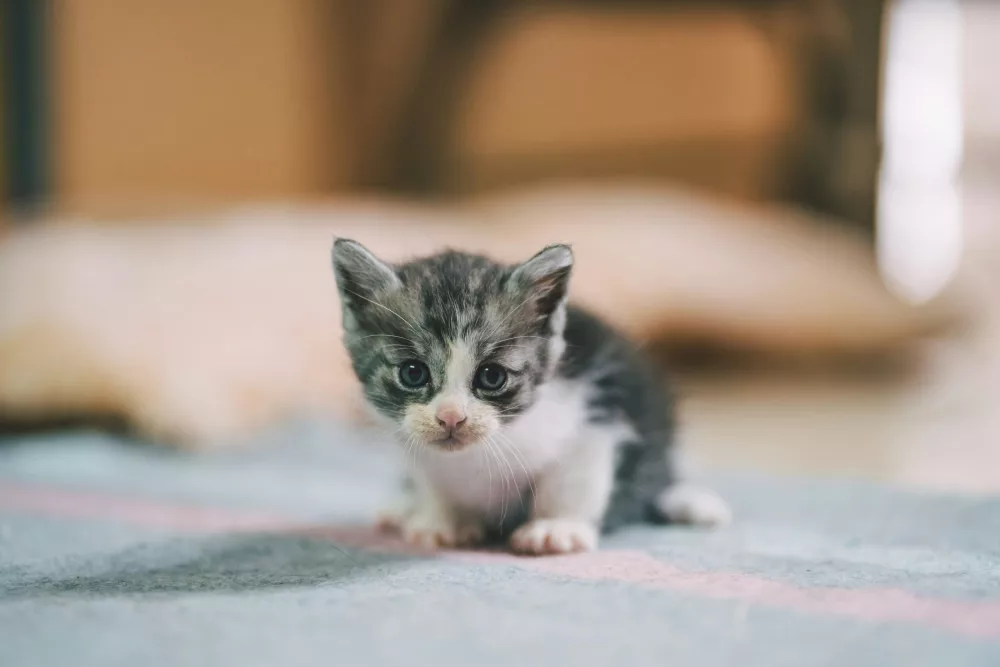
Litter training a kitten doesn’t have to be a stressful ordeal for you or your new feline friend. The core idea is to make the litter box a natural and accessible option, guiding them gently rather than forcing the issue. Kittens, by their very nature, are pretty clean animals and often take to a litter box with minimal fuss if the conditions are right. The key is understanding their instincts and providing an environment that encourages those instincts.
Before you even bring your kitten home, a little preparation goes a long way. Having the right supplies and understanding the initial setup can make the whole process much smoother.
Choosing the Right Litter Box
It sounds simple, but the litter box itself is crucial. For a kitten, size matters.
Low Sides Are Key
A kitten needs to be able to get in and out of the litter box easily. Imagine trying to climb Mount Everest when you’re only a few inches tall. A high-sided litter box might be perfect for an adult cat who kicks litter everywhere, but for a kitten, it’s a barrier. Look for boxes with sides no higher than a few inches. As they grow, you can gradually transition to a larger, higher-sided box if needed.
Open vs. Covered
While covered litter boxes can help contain smells and litter scatter, they can be intimidating for a kitten. An open litter box allows them to see their surroundings, making them feel safer and less confined. Again, you can introduce a covered box later if you prefer, once they are comfortable and consistently using the open one. Some kittens never like covered boxes, and that’s fine too.
Selecting the Right Litter
The type of litter you use can also influence your kitten’s willingness to use the box.
Unscented Clumping Litter
This is typically the best choice. Unscented litter won’t irritate a kitten’s sensitive nose or make them wary of the box. Clumping litter makes scooping much easier and helps maintain cleanliness, which is important. Avoid dusty litters, as dust can be harmful to their respiratory system.
Avoid Strong Scents
Some people like scented litter, but for a kitten, it can be off-putting. Their sense of smell is far more developed than ours, and what might seem like a pleasant floral scent to us could be an overpowering assault to a kitten. Stick to unscented to minimize any potential aversion.
Introduce New Litters Gradually
If you ever need to change litter types, do it gradually. Mix a small amount of the new litter with the old litter, slowly increasing the proportion over several days or a week. This prevents any sudden changes that might make your kitten avoid the box.
Strategic Placement of Litter Boxes
Where you put the litter box is nearly as important as the box itself.
Multiple Boxes, Multiple Locations
For a single kitten, have at least two litter boxes available. If you have a larger home, place them in different areas. This reduces the chance of accidents if one box is occupied or difficult to reach in an emergency. The general rule is one litter box per cat, plus one extra. Even for one kitten, having an extra accessible option is a good idea initially.
Quiet, Private, and Accessible
Litter boxes should be in quiet, low-traffic areas where your kitten won’t be disturbed. Avoid placing them next to noisy appliances like washing machines or in areas where people are constantly walking by. Privacy is important for cats when they’re doing their business. Also, ensure the boxes are easily accessible. Don’t hide them away in a dark corner or behind obstacles that are hard for a small kitten to navigate.
Away From Food and Water
Never place a litter box near your kitten’s food and water bowls. Just like us, cats prefer to eat and relieve themselves in separate areas. Putting them too close can create an aversion to either the food or the litter box.
The First Few Days: Gentle Introduction
The initial introduction to their new home and litter box sets the tone for future training. Keep things calm and consistent.
Immediate Litter Box Introduction
As soon as you bring your kitten home, take them directly to a litter box. Gently place them in it. They might sniff around, scratch a bit, or even try to jump out. Don’t force them to stay. The goal is simply to show them where it is. Repeat this several times during the first few hours.
Supervised Exploration
Confine your kitten to a smaller, safe space for the first few days. This could be a single room, a large dog crate, or a playpen. Ensure their litter box, food, water, and a cozy sleeping spot are all within this area. This limited space means they can’t wander off and have an accident in an out-of-reach spot. It also helps them feel secure in their new environment.
Observe and Guide
Spend time observing your kitten. Look for signs that they need to use the litter box, such as sniffing around, crouching, or scratching at the floor. If you see these behaviors, gently scoop them up and place them in the litter box. Don’t scold them or startle them; just calmly move them to the appropriate spot.
Establishing a Routine: Consistency is Key

Consistency in your actions and the environment will reinforce good litter box habits.
Regular Litter Box Visits
Take your kitten to the litter box frequently, especially after they wake up, after meals, and after playing. These are common times for kittens to need to relieve themselves. Gently place them in the box and allow them to do their business unpressured.
Positive Reinforcement
When your kitten uses the litter box successfully, offer quiet praise. A soft “good job” or a gentle head scratch is usually enough. Avoid overly enthusiastic praise or treats immediately after they’ve used the box, as this can startle them or make them associate the box with something other than bathroom duties. The act of successfully using the box is often rewarding enough for them.
Avoid Punishment
Never, ever punish your kitten for having an accident. Scolding, rubbing their nose in it, or physical punishment will only make them fearful of you and the litter box. It can lead to them hiding to relieve themselves, making the problem worse. Accidents happen, especially with kittens.
Cleaning Up Accidents Properly
If an accident occurs outside the litter box, clean it up thoroughly and immediately.
Enzyme Cleaners Are Essential
Don’t just use regular household cleaners. Cats are drawn back to areas where they’ve previously eliminated due to the scent left behind. Enzyme-based cleaners break down these odors, eliminating the temptation for your kitten to use that spot again. Without an enzyme cleaner, they’ll likely return to the same spot.
Don’t Make a Fuss
Clean up accidents calmly and without drawing attention to your kitten. The less drama you create around the issue, the better. Your kitten doesn’t understand why you’re upset, and your reaction could create anxiety.
Maintaining a Clean Environment: The Ultimate Incentive

Cats are fastidious creatures. A dirty litter box is the most common reason for litter box aversion.
Scoop Daily (or More Often)
This is a non-negotiable part of litter training. Scoop the litter box at least once a day, and ideally twice. Kittens, like adult cats, dislike stepping into a dirty box. If the box is unappealing, they’ll find somewhere else that is.
Replenish Litter as Needed
Maintain a consistent depth of litter, generally around 2-3 inches. If the litter gets too low, your kitten might not feel like they have enough material to dig in or cover their waste, which can be off-putting.
Regular Deep Cleaning
Even with daily scooping, the litter box itself needs a good scrub periodically. Empty all the litter, wash the box with mild, unscented soap and water, rinse thoroughly, and dry completely before refilling with fresh litter. How often you do this depends on how many cats you have and how often the box is used, but aim for at least once a month. Some people do it every few weeks.
Avoid Harsh Chemicals
When cleaning the litter box, stick to mild soaps. Strong chemicals can leave lingering odors that are unpleasant for your kitten and might make them avoid the box.
Troubleshooting Common Issues: When Things Don’t Go to Plan
| Aspect | Details |
|---|---|
| Age to Start | 4-5 weeks old |
| Location of Litter Box | Quiet and easily accessible area |
| Litter Type | Clumping or non-clumping litter |
| Positive Reinforcement | Use treats and praise |
| Consistency | Keep the litter box clean and maintain a routine |
| Patience | Be patient and avoid punishment |
Even with the best intentions, you might run into some hiccups. Don’t panic; most litter box issues can be resolved.
Sudden Aversion to the Litter Box
If your kitten suddenly stops using the litter box, several things could be at play.
Is the Box Dirty?
This is the first thing to check. Cats are very particular about cleanliness. If the box is too dirty, they will seek an alternative.
Is the Litter Type Unappealing?
Did you recently switch litters? Is the litter dusty? Do you use a scented litter that’s bothering them? Try switching back to the previous litter or trying a different brand of unscented clumping litter.
Is There a Stressor?
New pets, changes in the household routine, or even construction noise outside can stress a kitten and lead to accidents. Try to identify any recent changes that might be causing anxiety. Provide extra comfort and reassurance during stressful times.
Is There a New Scent?
If you’ve used a new cleaning product near the litter box, or if a new strong scent is present, it might be putting your kitten off.
Medical Issues
If your kitten suddenly stops using the litter box, or if they are straining, vocalizing in the box, or urinating very frequently or infrequently, it’s crucial to contact your veterinarian.
Rule Out UTIs and Other Ailments
Urinary tract infections (UTIs) are common in cats and can cause them to associate pain with the litter box, leading to accidents elsewhere. Other conditions, like kidney issues or digestive problems, can also lead to inappropriate elimination. A vet visit can rule out or address any underlying medical conditions. Don’t assume it’s just a behavioral problem without a vet check.
Preferring Other Surfaces
If your kitten is consistently using surfaces like carpets, laundry, or bath mats, it might be a texture preference.
Try Different Litter Textures
Some kittens prefer a finer, sand-like texture, while others might prefer something coarser. Offer a second litter box with a different type of litter (still unscented) to see if they have a preference.
Make the Preferred Spots Undesirable
If they consistently use a specific spot, cover it with aluminum foil, double-sided sticky tape, or place an inverted plastic mat with nubs on it. Cats generally dislike these textures. Make sure to clean the area thoroughly with an enzyme cleaner first.
Remember, patience and consistency are your greatest tools. Kittens are generally very eager to please and clean. By understanding their needs and instincts, you can guide them to be reliable litter box users with minimal stress for everyone involved.
FAQs
1. What is the best age to start litter training a kitten?
The best age to start litter training a kitten is around 3-4 weeks old. This is when they start to become more independent and can begin to learn how to use a litter box.
2. What are the steps to effectively litter train a kitten?
To effectively litter train a kitten, start by placing the kitten in the litter box after meals and naps, as they are more likely to need to use the bathroom at these times. Use positive reinforcement and praise when the kitten uses the litter box, and be consistent with the location of the box.
3. What type of litter should be used for litter training a kitten?
It is best to use a non-clumping, unscented litter for litter training a kitten. Clumping litter can be harmful if ingested, and scented litter may be off-putting to some kittens.
4. How can I encourage my kitten to use the litter box consistently?
To encourage consistent use of the litter box, keep it clean and easily accessible to the kitten. Place the kitten in the litter box after meals and naps, and praise them when they use it. Avoid punishing the kitten for accidents outside the box, as this can create anxiety and hinder the training process.
5. What should I do if my kitten is not taking to litter training?
If your kitten is not taking to litter training, consult with a veterinarian to rule out any medical issues that may be causing the problem. Additionally, consider trying different types of litter or litter boxes to see if the kitten prefers a different setup. Be patient and consistent with the training process.
Kevin
Senior staff writer & editor delivering comprehensive analysis, news reports, and detailed guides.