
How to Pet-Proof Your Home for Safety and Comfort
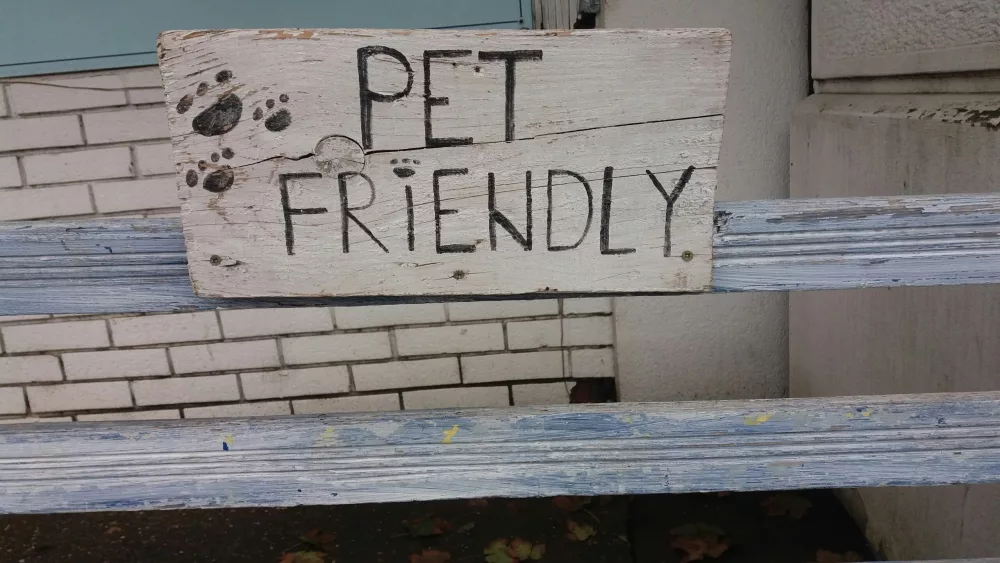
Pet-proofing your home is all about creating a safe space for your furry friends and giving yourself a little peace of mind. It’s not a Herculean task, but rather a thoughtful process of looking at your living area through your pet’s curious, and sometimes mischievous, eyes. Basically, it’s about anticipating what they might get into and putting basic safeguards in place.
Understanding the “Why” Behind Pet-Proofing
Before we dive into the “how,” let’s quickly touch on the “why.” Pets, especially puppies and kittens, explore the world with their mouths and paws. This natural curiosity can lead them to ingest dangerous items, get tangled in things, or even injure themselves. Pet-proofing isn’t about stifling their instincts; it’s about channeling them into safe outlets and removing potential hazards. It’s a proactive approach that can save you a vet bill and a lot of stress. Think of it as building a safe zone, akin to how you might child-proof a home. The goal is to prevent accidents before they happen, allowing your pet to thrive and explore without undue risk.
The Foundation: Securing Your Space
This is where we tackle the obvious and the not-so-obvious entry points and escape routes. A secure home is the first line of defense.
Windows and Doors: Beyond the Obvious
- Window Screens: These are often overlooked but can be surprisingly fragile. A determined cat can claw through them, and a small dog might even push them out. Regularly inspect screens for tears or loose edges. Consider stronger, pet-proof screens if you have particularly agile or destructive pets.
- Window Latches: Ensure all windows that are opened are secured with sturdy latches. Even a slightly ajar window can be an escape route for curious cats or small dogs. For sliding windows, consider a window security bar or a block to prevent them from opening too far.
- Door Security: This might seem basic, but double-check that doors close securely. A gap at the bottom can be exploited by determined pets. For entry doors, consider a door sweep to prevent smaller pets from squeezing underneath. If you have a pet that’s an escape artist, an additional latch or a deadbolt higher up can be a good deterrent.
Balconies and Decks: A Risky Business
- Railings and Gaps: Inspect balcony and deck railings for any gaps that a pet could potentially fall through. This is especially important for smaller breeds or breeds that are prone to jumping. Ensure the spacing between railing bars is narrow enough to prevent them from squeezing through.
- Secure Gates: If you have a balcony or deck, consider installing a sturdy, pet-proof gate at the entrance. This allows your pet to enjoy the fresh air without the risk of them wandering off or falling. Make sure the gate is tall enough that they can’t jump over it.
- Supervision is Key: Even with safeguards, direct supervision on balconies and decks is always recommended. There are nuances to their behavior and environment that even the best pet-proofing can’t fully anticipate.
Fencing: When the Outdoors is a Concern
- Height and Depth: For yards, ensure fencing is tall enough to prevent jumping over and deep enough to prevent digging under. Check for any loose panels or weak spots. Consider burying the bottom of the fence a few inches into the ground.
- Gate Integrity: Gates are often the weakest link. Make sure they latch securely and are in good repair. Some pets are clever enough to figure out simple latches, so consider a more robust locking mechanism.
- Material Matters: Certain materials can be problematic. Avoid sharp or jagged edges that could injure a pet. If you have a dog that tends to chew on fences, consider durable materials that can withstand their chewing habits.
Hazardous Household Items: The Hidden Dangers
This is where we pay attention to what’s within reach and what could be ingested or cause harm. Your pet’s curiosity can turn everyday objects into potential dangers.
Cleaning Supplies:
- Secure Storage: This is non-negotiable. All cleaning products, including laundry detergent, bleach, and surface cleaners, should be stored in high, locked cabinets or secure containers. Even a small lick can be toxic.
- Accidental Spills: Be mindful of spills. Clean them up immediately and thoroughly. If a spill occurs, keep your pet away from the area until it’s completely dry and odor-free.
- Natural Alternatives: Consider using pet-safe, natural cleaning alternatives whenever possible. Many brands offer eco-friendly and non-toxic options that are just as effective.
Medications (Human and Pet):
- Out of Reach: All medications, both human and veterinary, should be stored in secure, child-proof (and pet-proof) containers and kept well out of reach. This includes over-the-counter medications like pain relievers and vitamins.
- Disposal: Proper disposal of expired or unused medications is crucial. Don’t just leave them in the trash where a pet could potentially get to them. Follow your veterinarian’s or local pharmacy’s guidelines for safe disposal.
- Pill Keepers: Even when dispensed on schedule, use pill keepers that are designed to be difficult for pets to access.
Plants: Pretty but Potentially Poisonous:
- Research Your Plants: Many common houseplants are toxic to pets. Before bringing a new plant home, do your research. The ASPCA website has an excellent, searchable database of toxic and non-toxic plants.
- High Shelves or Hanging Baskets: If you have toxic plants, place them in areas that are inaccessible to your pets. High shelves or hanging baskets can be effective.
- Repellents (Use with Caution): Some pet owners use bitter-tasting sprays to deter chewing on plants. However, always research these products to ensure they are safe for your specific pet and the plant.
Electrical Cords and Wires:
- Concealment: Cords are like enticing chew toys for many pets. Use cord protectors or sleeves to cover exposed wires. Route cords behind furniture or use cord clips to keep them tidy and out of reach.
- Unplug When Not in Use: For appliances that aren’t used regularly, unplug them and tuck the cords away. This minimizes temptation.
- Deterrents: Some pets are attracted to the static or taste of plastic. Bitter apple spray or a similar pet-safe deterrent can be applied to cords, but again, test in an inconspicuous area first.
Small Objects and Choking Hazards:
- “When in Doubt, Tuck It Away”: This is a good rule of thumb. Anything that can fit into your pet’s mouth, especially small objects like coins, buttons, jewelry, rubber bands, and small toys, should be kept out of reach.
- Toy Management: Regularly inspect your pet’s toys for signs of damage. Replace worn-out toys to prevent them from breaking apart into small, ingestible pieces.
- Trash Cans: Ensure trash cans, especially those containing food scraps or small objects, are secured with lids or kept in cabinets.
Furniture and Decor: Creating a Pet-Friendly Environment
It’s not just about preventing destruction, but also about making your home more comfortable for everyone.
Protecting Upholstery and Furniture:
- Durable Materials: When purchasing new furniture, opt for durable, tightly woven fabrics that are less prone to snagging from claws. Microsuede, leather, and certain types of treated polyester can be good choices.
- Coverings and Throws: Use washable throws and covers on your pet’s favorite lounging spots. This makes cleaning up shed fur and minor accidents much easier.
- Scratching Posts and Alternatives: For cats, provide plenty of approved scratching surfaces in accessible locations. This redirects their natural scratching behavior away from your furniture. Offer a variety of textures and upright, horizontal, and angled options.
- Designated Pet Beds: Provide comfortable, easily washable pet beds in prime locations where your pet likes to rest. This gives them their own space and can deter them from settling on your furniture.
Securing Decor and Knick-Knacks:
- High Shelving: Decorative items that are fragile or valuable should be placed on high shelves or in enclosed display cabinets.
- Weighted Items: Consider using museum putty or a strong double-sided tape to secure lighter decorative items to shelves or surfaces. This can prevent them from being knocked over easily.
- Hanging Decor: If you have items that hang, ensure they are securely fastened and not easily pulled down by a curious paw or tail.
Tempting Treats: Food Safety at Home:
- Secure Food Storage: All pet food and treats should be stored in airtight containers to maintain freshness and prevent pests. Ensure these containers are not easily accessible to your pet if they are prone to counter-surfing or cabinet-opening.
- Human Food Dangers: Many human foods are toxic to pets, including chocolate, grapes, onions, garlic, and xylitol. Keep these items well out of reach and never leave them unattended on counters or tables.
- “No-Go” Zones for Snacks: If you have a pet that tries to steal food, establish clear “no-go” zones during mealtimes or when food is out. This involves consistent training and supervision.
Creating Safe Zones and Enrichment
Pet-proofing isn’t just about removing dangers; it’s also about providing a stimulating and secure environment for your pet.
Designated Pet Spaces:
- The “Den” Concept: Many pets, especially dogs, benefit from having a designated “den” or safe space, like a crate or a comfortable corner with a bed. This provides them with a sense of security and a place to retreat.
- Height and Vantage Points: For cats, vertical space is crucial. Provide cat trees, shelves, or window perches where they can observe their surroundings safely.
- Quiet Areas: Ensure there are quiet areas where your pet can rest undisturbed, away from the hustle and bustle of household activity. This is particularly important for anxious or sensitive pets.
Enrichment Activities and Toys:
- Interactive Toys: Puzzle feeders and treat-dispensing toys can keep pets mentally stimulated and prevent boredom, which can lead to destructive behavior. Rotate toys to keep things interesting.
- Appropriate Chew Toys: Provide a variety of safe and durable chew toys that satisfy your pet’s natural urge to chew. This is especially important for puppies and teething kittens.
- Playtime is Crucial: Regular physical and mental stimulation through play is one of the best ways to prevent boredom and keep your pet happy and well-behaved.
Training for Safety:
- “Leave It” Command: Teaching your pet a strong “leave it” command is invaluable for preventing them from ingesting dangerous items.
- “Come” Command: A reliable “come” command can literally save your pet’s life if they venture into a dangerous situation.
- Potty Training Reinforcement: Consistent potty training reduces the likelihood of accidents that could involve ingesting cleaning products or other hazardous substances.
Emergency Preparedness: Beyond Pet-Proofing
Even with the best pet-proofing measures, accidents can happen. Being prepared is essential.
First Aid Basics:
- Pet First Aid Kit: Assemble a comprehensive pet first aid kit. This should include items like gauze, antiseptic wipes, cotton balls, self-adhering bandages, and pet-safe antibiotic ointment.
- Knowing Basic Procedures: Familiarize yourself with basic pet first aid procedures, such as how to stop bleeding or treat minor burns.
- Poison Control Number: Keep the ASPCA Animal Poison Control Center number (or your local equivalent) readily accessible. Program it into your phone and post it near your landline.
Veterinary Information:
- Contact Details: Have your veterinarian’s and a local emergency veterinary clinic’s contact information easily accessible.
- Pet’s Medical History: Keep a record of your pet’s vaccinations, allergies, and any pre-existing medical conditions. This information is vital in an emergency.
Evacuation Plan:
- “Go Bag”: Prepare an evacuation bag for your pet that includes food, water, medications, a leash, a muzzle (if needed), copies of vaccination records, and a favorite toy or blanket for comfort.
- Safe Haven: Identify potential safe havens for your pet in case of emergencies, such as friends’ homes, boarding facilities, or pet-friendly shelters.
- Identification: Ensure your pet is wearing an up-to-date identification tag with your current contact information. A microchip is also a crucial layer of security.
By implementing these pet-proofing strategies, you can create a home that is not only safer but also more comfortable and enriching for your beloved companion. Remember, consistency and ongoing vigilance are key.
FAQs
1. Why is it important to pet-proof your home?
It is important to pet-proof your home to ensure the safety and comfort of your pets. This includes removing potential hazards and creating a space where your pets can roam freely without the risk of injury.
2. What are some common hazards that should be addressed when pet-proofing a home?
Common hazards that should be addressed when pet-proofing a home include toxic plants, electrical cords, small objects that can be swallowed, open windows or balconies, and household chemicals.
3. How can I prevent my pets from chewing on furniture and other household items?
To prevent pets from chewing on furniture and other household items, provide them with appropriate chew toys, use bitter sprays or deterrents on furniture, and consider using pet gates or crates to limit access to certain areas of the home.
4. What steps can I take to secure outdoor areas for my pets?
To secure outdoor areas for pets, ensure that fences are secure and free from gaps or holes, remove any toxic plants or chemicals from the yard, and provide adequate shelter and water for outdoor pets.
5. Are there any specific considerations for pet-proofing a home for different types of pets?
Yes, there are specific considerations for pet-proofing a home for different types of pets. For example, bird owners should be mindful of open windows and ceiling fans, while reptile owners should ensure that their enclosures are secure and free from potential escape routes.
Kevin
Senior staff writer & editor delivering comprehensive analysis, news reports, and detailed guides.