
Helping Your Dog Socialize Comfortably With People and Other Pets
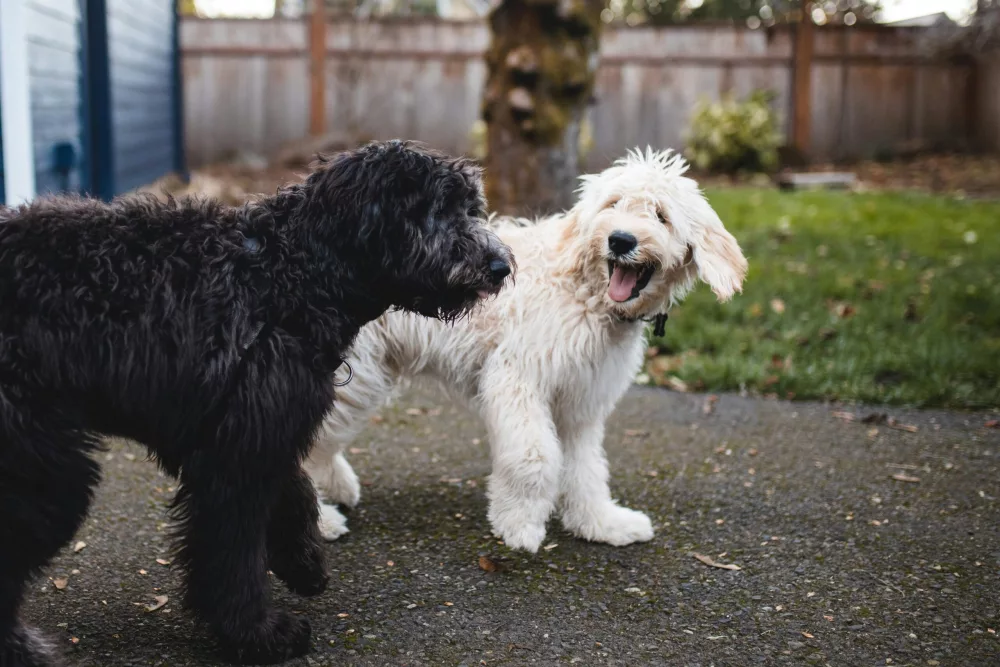
Feeling a little unsure about how your dog navigates the world of friends, both human and furry? It’s a common concern, and thankfully, getting your dog more comfortable with people and other pets is often about understanding their cues and taking things at their pace. The goal isn’t to turn your dog into a social butterfly overnight, but rather to equip them with the confidence to handle interactions without feeling overwhelmed or anxious.
Before you even think about introducing your dog to new experiences, spending time observing them is crucial. What does their body language tell you about their comfort level? Learning to read these subtle cues will prevent you from pushing them too fast and will help you identify when they’re genuinely enjoying themselves versus when they’re trying to back out of a situation.
Recognizing Calm and Confident Body Language
A relaxed dog typically has a loose, wiggly body. Their tail might be held in a neutral position or wagging gently, not stiffly or with rapid, jerky movements. Their ears are usually in a natural position, not pinned back or rigidly forward. You might see soft eyes, a slightly open mouth, and a generally easygoing posture. This is the baseline of a comfortable dog.
Identifying Signs of Anxiety and Stress
When your dog starts to feel uncomfortable, their signals become more pronounced. Licking their lips repeatedly when there’s no food present, yawning when they’re not tired, or turning their head away from a person or animal are all classic signs of mild stress. As discomfort increases, you might observe them becoming stiff, tucking their tail, whale-eyed (showing the whites of their eyes), panting excessively, or even freezing. If you see these signs, it’s time to create space.
The Importance of Gradual Exposure
Think of socialization like building a muscle. You wouldn’t expect someone to lift weights equivalent to a professional bodybuilder on their first day at the gym. Similarly, dogs need slow, controlled introductions to new stimuli. Overwhelming them too soon can create negative associations that are harder to overcome later.
Preparing Your Dog for New Encounters
Preparation is key. This isn’t just about grabbing your dog and heading to the dog park. It involves setting them up for success before any interaction even begins.
Harnessing the Power of Positive Reinforcement
Every positive experience your dog has builds a stronger foundation of trust and confidence. This means associating new people and pets with good things, like tasty treats and gentle praise. The moment your dog notices a new person or animal without reacting fearfully, reward them. This teaches them that observing quietly is a good thing.
Desensitization and Counter-Conditioning
These are two powerful tools in your arsenal. Desensitization involves gradually exposing your dog to something they find fearful or arousing at a very low intensity, so low that they don’t react negatively. Counter-conditioning pairs that same low-intensity trigger with something highly rewarding.
Desensitization Example: Distant Greetings
If your dog is nervous around strangers, start by having a friend walk past your house or park at a distance where your dog can see them but doesn’t react. The moment your dog sees the person, give them a high-value treat. As soon as the person is out of sight, stop the treats. The goal is for your dog to associate the sight of a person with a treat.
Counter-Conditioning Example: Controlled Introductions
For a dog nervous around other dogs, you might start with your dog on leash at a great distance from another calm, well-behaved dog. Reward your dog for looking at the other dog and staying calm. As they improve, gradually decrease the distance, always ensuring your dog remains below their reaction threshold.
The Role of Basic Obedience and Impulse Control
A dog who understands cues like “sit,” “stay,” and “leave it” has a better understanding of what’s expected of them. These commands give you a way to manage your dog in potentially overwhelming situations and give your dog a sense of structure and direction. Impulse control exercises, like waiting for their food bowl or waiting before going through a doorway, help your dog manage their excitement and reactivity.
Navigating Interactions With People

Meeting new people should ideally be a calm, controlled affair. Avoid throwing your dog into a crowded situation and expecting them to cope. Think quality over quantity.
Creating Welcoming Environments
When guests come to your home, set your dog up for success. Have a safe space ready for them, like a crate or a particular room, where they can retreat if they feel overwhelmed. Instruct your guests on how to interact – no direct eye contact, no leaning over the dog, and let the dog approach them.
Guest Instructions are Crucial
It might feel a bit awkward, but being clear with your guests is important. Ask them to ignore your dog initially. No petting, no talking, no direct gazes. Let your dog sniff their legs from a distance. If your dog shows interest, a guest can then offer a hand to sniff, palm down. Praise and reward your dog for calm behavior.
Short, Positive Encounters
Keep initial meetings brief. Few minutes of calm, positive interaction are far more beneficial than a long, intense one that leaves your dog drained and anxious. If your dog is doing well, you can gradually increase the duration. If they start showing signs of stress, it’s time to end the encounter positively.
Ending on a Good Note
Always aim to end an interaction before your dog becomes overwhelmed. This might mean ending a visit with a guest when your dog is still relatively calm, or calling your dog to you with a treat and a word of praise before they have a chance to react negatively.
Avoiding Common Pitfalls
One of the biggest mistakes people make is forcing their dog to interact. If your dog doesn’t want to be petted, they shouldn’t be. Pushing them will only reinforce their fear. Also, avoid overwhelming them with too many new people at once.
The “Dog Should Just Get Over It” Myth
There’s a misconception that dogs can just be forced to “get over” their fears. This is not only ineffective but can actually exacerbate the problem. True socialization is about building confidence, not about suppressing natural instincts.
Fostering Positive Relationships With Other Pets

Introducing your dog to other animals requires careful planning and supervision to ensure everyone’s safety and comfort. Not all dogs are naturally inclined to get along with every other dog, and that’s okay.
The Importance of Leash-Based Introductions
For dog-to-dog introductions, always start with leashes. This gives you control and prevents a potentially explosive situation if things go wrong. A neutral territory is ideal, meaning a place neither dog considers their own turf.
Neutral Territory is Key
Meeting on a quiet walking path, a park away from major activity, or even your driveway (if it’s neutral) are good starting points. Avoid introducing dogs in your home, as this can trigger territorial instincts.
Observing Dog-to-Dog Communication
Learn to read dog body language during introductions. A polite greeting typically involves averted gazes, sniffing of the rear, and then moving on. Stiff bodies, hard stares, growling, or lunging are clear indicators that the interaction is not going well and needs to be de-escalated.
Polite Sniffing vs. Intense Staring
A quick sniff of the rear and then moving on is a sign of a polite interaction. If dogs are staring intensely at each other, or if one dog is being persistently bothersome and the other is showing clear signs of discomfort (tail tucked, backing away), it’s time to end the interaction.
Gradual Increases in Interaction Time
Whether it’s a passing dog on a walk or a planned playdate, start with short durations. If your dog is comfortable interacting with another specific dog, you can gradually increase the length of your encounters under controlled circumstances.
What to Do if Things Go Wrong
If an introduction involves growling, snapping, or a full-blown fight, don’t panic, but do act quickly. Safely separate the dogs. For future interactions, you’ll likely need to go back several steps in your introduction process or consider working with a professional.
Safely Separating Dogs
If dogs are involved in a conflict, try to avoid reaching directly between them as you could be bitten. Use something like a blanket, a leash, or a board to separate them if possible. Create distance and calm them down individually before attempting any further interaction.
Training Strategies for Building Confidence
| Metrics | Results |
|---|---|
| Number of positive social interactions with people | 20 per week |
| Number of positive social interactions with other pets | 15 per week |
| Number of training sessions focused on socialization | 3 per week |
| Number of new environments introduced for socialization | 2 per month |
Confidence is built through successful experiences. Training plays a massive role in helping your dog feel more secure and capable in various situations.
Building a Strong Foundation in Basic Manners
As mentioned earlier, commands like “sit,” “stay,” and “come” give your dog a sense of control and predictability. When faced with something new, asking for a “sit” can re-center them and remind them of their training and your guidance.
The Power of Predictability
Dogs thrive on routine and predictability. Knowing what to expect from you and their environment helps reduce anxiety. Training sessions are inherently predictable and provide your dog with clear expectations.
Controlled Socialization Outings
Instead of just heading to a busy place, plan your outings strategically. Visit a relatively quiet park during an off-peak hour. Let your dog observe from a distance. Reward calm behavior. This is about controlled exposure, not just being thrown into the deep end.
Making Walks a Positive Experience
When walking, be aware of your surroundings. If you see a dog that might be reactive, guide your dog to the other side of the street or turn and walk the other way. Turn a potentially stressful encounter into a non-event.
Utilizing Professional Help When Needed
You don’t have to figure it all out alone. If your dog exhibits significant fear, aggression, or anxiety, seeking guidance from a qualified professional is a wise decision.
Finding the Right Professional
Look for a certified professional dog trainer or a veterinary behaviorist who uses positive, force-free methods. They can assess your dog’s specific needs and develop a tailored plan to help them overcome their anxieties and build confidence.
Creating a Lifetime of Comfortable Companionship
Socialization isn’t a one-time event; it’s an ongoing process. As your dog ages and experiences new things, you’ll continue to reinforce their positive associations and manage their exposure to ensure they remain a well-adjusted companion.
Maintaining Positive Experiences
Continue to create opportunities for positive interactions, even in familiar settings. Keep social outings varied and interesting. Always prioritize your dog’s comfort and well-being.
Recognizing When to Step Back
There will be times when your dog’s energy levels are low, they’re feeling unwell, or the environment is simply too much. In these instances, it’s perfectly okay to decide that a social interaction isn’t the best idea for that day. Your dog will thank you for understanding.
The Long-Term Benefits of a Confident Dog
A dog who is comfortable and confident around people and other animals is a joy to live with. You can enjoy more freedom in your activities, and your dog will experience less stress and enjoy a richer, more fulfilling life. It’s an investment that pays dividends in a happy, well-behaved companion.
FAQs
What is socialization for dogs?
Socialization for dogs is the process of exposing them to various people, animals, environments, and experiences in a positive and controlled manner. This helps them become well-adjusted and comfortable in different situations.
Why is socialization important for dogs?
Socialization is important for dogs because it helps prevent fear, anxiety, and aggression towards people and other animals. It also helps them develop good behavior and adaptability, making them more enjoyable companions.
How can I help my dog socialize comfortably with people and other pets?
You can help your dog socialize comfortably by exposing them to different people and animals in a positive and controlled manner. This can include puppy classes, supervised playdates, and gradual introductions to new environments.
At what age should I start socializing my dog?
It is recommended to start socializing your dog as early as possible, ideally between 3 and 14 weeks of age. However, older dogs can still benefit from socialization, but it may require more patience and gradual exposure.
What are signs that my dog is uncomfortable during socialization?
Signs that your dog is uncomfortable during socialization include cowering, trembling, excessive panting, growling, barking, or trying to escape. It’s important to respect your dog’s comfort level and not force them into situations that cause distress.
Kevin
Senior staff writer & editor delivering comprehensive analysis, news reports, and detailed guides.