
Foods That Are Dangerous for Pets and Should Always Be Avoided
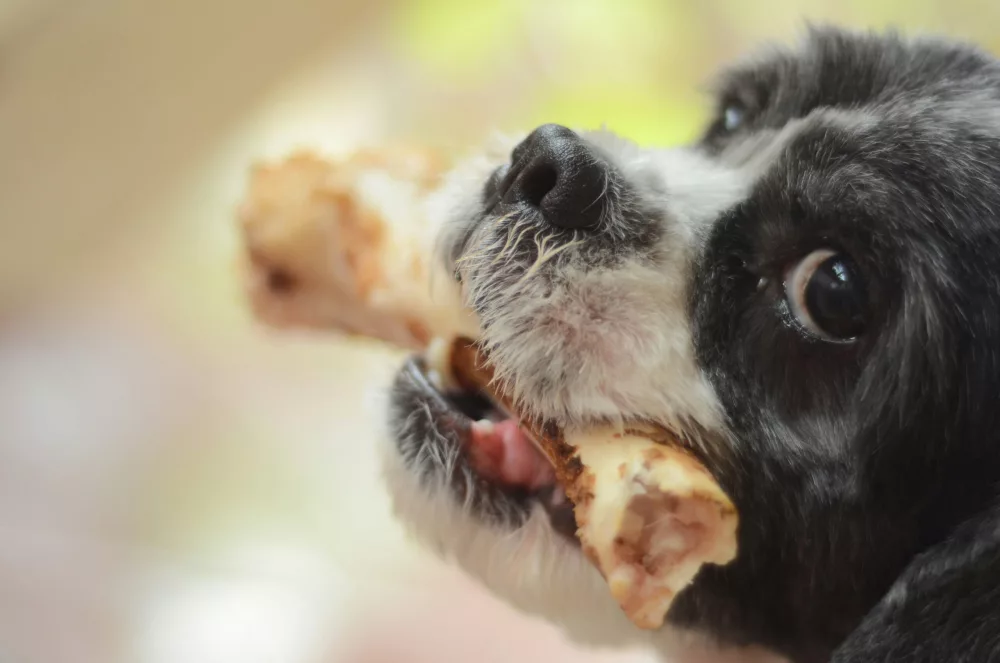
When it comes to our pets, we want to give them the best. That includes keeping them safe, and a big part of that is knowing which common foods can actually be harmful, even dangerous, to them.
Chocolate: The Sweet Danger
Chocolate is probably the most well-known dangerous food for pets, and for good reason. It contains compounds called theobromine and caffeine, which dogs and cats metabolize much slower than humans. This means these stimulants can build up in their systems to toxic levels.
Theobromine Toxicity
The primary concern is theobromine. The darker and more bitter the chocolate, the higher the concentration of theobromine, and therefore the greater the risk. White chocolate has very little, but it’s still best to keep it away from your furry companions.
Symptoms to Watch For
Signs of chocolate poisoning can range from mild to severe depending on the amount ingested and the type of chocolate. You might notice:
- Vomiting and diarrhea: These are often the first signs.
- Increased thirst and urination: Pets may seem unusually parched and need to go outside more frequently.
- Restlessness and hyperactivity: They might seem unable to settle down.
- Panting and elevated heart rate: You may notice their breathing is faster and their heart pounds.
- Muscle tremors and seizures: In severe cases, these more serious neurological symptoms can occur.
- Collapse and even death: This is the worst-case scenario, but it is possible with significant ingestions.
How Much is Too Much?
It’s not a one-size-fits-all answer, but generally, the smaller the pet and the darker the chocolate, the less it takes to cause problems. A tiny nibble of milk chocolate might not harm a large dog, but a few squares of baker’s chocolate could be life-threatening for a small breed. Keep all chocolate securely stored.
Grapes and Raisins: A Tiny Threat With Big Consequences
These seemingly innocuous fruits are a major culprit in pet emergencies. Even small amounts of grapes or raisins can trigger kidney failure in dogs.
The Mystery Toxin
The exact substance in grapes and raisins that causes this reaction isn’t fully understood, but the effect is undeniable and often irreversible. It’s crucial to understand that all dogs are susceptible, regardless of breed, age, or size.
Kidney Failure: The Core Problem
The primary danger is acute kidney failure. This happens when the kidneys stop functioning properly, unable to filter waste products from the blood.
Signs of Grape/Raisin Poisoning
The symptoms usually appear within 24 hours of ingestion:
- Lethargy and weakness: Your dog will seem unusually tired.
- Vomiting: This might start within a few hours.
- Diarrhea: Another common digestive upset.
- Decreased appetite: They may refuse food.
- Dehydration: Look for dry gums and sunken eyes.
- Reduced or absent urination: This is a critical sign that the kidneys are failing.
Prevention is Key
Because the toxin is still a mystery and can affect any dog, the safest approach is complete avoidance. Never feed your dog grapes or raisins, and be vigilant about where these fruits are stored in your home and during outdoor activities. Ensure children understand not to share their snacks.
Onions, Garlic, and Chives: The Allium Family’s Harm
Belonging to the allium family, onions, garlic, leeks, and chives contain compounds that can damage a pet’s red blood cells, leading to anemia.
Red Blood Cell Damage
These foods introduce thiosulphates into your pet’s system. While humans can handle these, they can cause oxidative damage to the red blood cells of dogs and cats.
What Happens Next
When red blood cells are damaged, they are destroyed, leading to a shortage of healthy red blood cells to carry oxygen throughout the body. This is known as hemolytic anemia.
Recognizing the Symptoms
Symptoms can appear days or even weeks after ingestion, making it tricky to pinpoint the cause initially. They include:
- Lethargy and weakness: Similar to grape poisoning, a general lack of energy.
- Pale gums: Healthy gums are pink; pale gums indicate a lack of oxygen-carrying blood cells.
- Increased heart rate: The heart works harder to pump oxygen to the body.
- Rapid breathing: Also a sign the body is struggling for oxygen.
- Vomiting and diarrhea: Digestive upset is common.
- Dark-colored urine: This can result from the breakdown of red blood cells.
The Cooking Factor
Dehydrated, powdered, or raw forms are more potent, but even cooked onions and garlic can be harmful. Garlic is generally considered more potent than onions in terms of its toxic effects relative to quantity. It’s best to avoid giving your pets any of these items, whether in cooked meals or as flavorings.
Xylitol: The Silent Sweetener of Danger
Xylitol is an artificial sweetener found in many “sugar-free” products, from chewing gum and candy to baked goods and peanut butter. It’s incredibly dangerous for dogs.
Rapid Insulin Release
When a dog ingests xylitol, it causes a rapid and significant release of insulin from the pancreas. This surge of insulin dramatically lowers blood sugar levels.
Hypoglycemia: The Immediate Threat
The immediate danger is severe hypoglycemia (dangerously low blood sugar). This can occur within minutes to an hour of ingestion.
Liver Failure: A Secondary Danger
In some dogs, xylitol can also cause acute liver failure, which is a much more serious and often fatal complication.
Symptoms to Watch For
Signs of xylitol poisoning include:
- Vomiting: Often the first sign.
- Lethargy and weakness: A sudden lack of energy.
- Incoordinated movement and staggering: They might seem drunk.
- Seizures: A severe neurological symptom.
- Collapse: A critical sign of dangerously low blood sugar.
Common Sources to Avoid
Be extremely careful with:
- Sugar-free gum and mints: A few pieces can be deadly for a small dog.
- Sugar-free baked goods: Cakes, cookies, and muffins made with xylitol.
- Some peanut butters: Always check the ingredient list. Many brands are now including xylitol. This is a critical one for dog owners to be aware of.
- Certain lozenges and candies.
- Some mouthwashes and toothpastes.
When in Doubt, Check the Label
Always read ingredient labels carefully, especially for products marketed as “sugar-free.” If you can’t be sure, assume it’s not safe and keep it away from your dog.
Alcohol: Not a Party for Pets
Giving your pet alcohol, whether intentionally or unintentionally, is a recipe for disaster. Pets are much more sensitive to the effects of alcohol than humans.
Rapid Absorption and Toxicity
Alcohol is absorbed quickly into a pet’s bloodstream. Their smaller size and slower metabolism mean even a small amount can lead to serious poisoning.
Effects on the Body
Alcohol depresses the central nervous system, much like in humans, but with far more potent effects on pets. It can lead to:
- Vomiting: A common early sign.
- Disorientation and confusion: They may seem incredibly lost.
- Drunken behavior: Stumbling, loss of coordination.
- Lethargy and depression: A profound lack of energy.
- Difficulty breathing: Respiration can slow to dangerous levels.
- Tremors and seizures: Neurological symptoms due to alcohol toxicity.
- Coma and death: In severe cases, this is the grim outcome.
Common Pathways to Exposure
- Spilled drinks: A lick of your spilled beer or cocktail.
- Alcoholic desserts: Baked goods that contain alcohol.
- Homebrewing or winemaking: Raw ingredients or finished products can be tempting and dangerous.
- Rubbing alcohol: If ingested accidentally, it’s highly toxic.
Keep it Away, Always
The best policy is to keep all alcoholic beverages and any products containing alcohol entirely out of reach of your pets. This includes things like cleaning supplies that might contain alcohol.
Other Foods to Be Wary Of
Beyond the major offenders, several other common foods pose risks to our pets.
Avocado: The Avocado Pit Problem
While the flesh of the avocado is generally not considered toxic to dogs and cats, the pit, skin, and leaves contain persin. This can cause vomiting and diarrhea. The pit itself also presents a significant choking hazard or can cause an intestinal blockage if swallowed whole.
Caffeine: More Than Just a Morning Boost
Like chocolate, caffeine is a stimulant that can be harmful to pets. It’s found not only in coffee and tea but also in energy drinks and some sodas. Ingesting too much can lead to:
- Restlessness
- Rapid breathing
- Heart palpitations
- Muscle tremors
- Seizures
Macadamia Nuts: Painful Problems
These delicious nuts can cause weakness, tremors, vomiting, and fever in dogs. The exact toxic agent is unknown, but symptoms usually appear within 12 hours of ingestion and can last for a day or two.
Cooked Bones: A Choking and Internal Hazard
While raw bones can be beneficial for some dogs (under careful supervision), cooked bones are a definite no-go. The cooking process makes them brittle and prone to splintering.
- Choking hazard: Sharp fragments can lodge in the throat.
- Internal damage: Splinters can cause serious cuts and perforations in the digestive tract, leading to internal bleeding and peritonitis.
Yeast Dough: A Rising Threat
Raw dough containing yeast can be dangerous for dogs. As the yeast ferments in the warm, moist environment of your dog’s stomach, it produces alcohol and gas.
- Alcohol poisoning: The fermentation releases alcohol.
- Bloating and potential gastric dilatation-volvulus (GDV): The expanding dough can cause severe abdominal distension, which can be life-threatening if it twists (GDV). The resulting gas can be painful and difficult to expel.
Dairy Products: Lactose Intolerance is Common
Many adult dogs and cats are lactose intolerant, meaning they lack the enzyme to properly digest lactose, the sugar found in milk and dairy products. Feeding them dairy can lead to:
- Diarrhea
- Vomiting
- Abdominal discomfort
While a small lick of milk or a tiny bite of cheese might not cause severe issues for some, it’s generally best to avoid regular feeding of dairy products.
When in Doubt, Call Your Vet
The best course of action whenever you suspect your pet has ingested something toxic is to contact your veterinarian or an animal poison control center immediately. Don’t wait for symptoms to appear. Early intervention is often critical for a positive outcome. Keep these dangerous foods out of reach and prioritize your pet’s safety and well-being.
FAQs
What are some foods that are dangerous for pets and should always be avoided?
Some foods that are dangerous for pets and should always be avoided include chocolate, grapes and raisins, onions and garlic, xylitol (a sugar substitute), and alcohol.
Why is chocolate dangerous for pets?
Chocolate contains theobromine and caffeine, which are toxic to pets. Ingesting chocolate can cause vomiting, diarrhea, rapid breathing, increased heart rate, seizures, and even death in pets.
What makes grapes and raisins dangerous for pets?
The exact substance in grapes and raisins that is toxic to pets is unknown, but ingestion can lead to kidney failure in dogs. Even a small amount can be harmful, so it’s best to avoid giving grapes and raisins to pets altogether.
Why are onions and garlic harmful to pets?
Onions and garlic contain compounds that can damage red blood cells in pets, leading to anemia. Ingestion of these foods can cause weakness, vomiting, and breathing difficulties in pets.
What is xylitol and why is it dangerous for pets?
Xylitol is a sugar substitute commonly found in sugar-free gum, candy, and other products. Ingestion of xylitol can cause a rapid release of insulin in pets, leading to low blood sugar levels, seizures, and liver failure. It’s important to keep products containing xylitol away from pets.
Kevin
Senior staff writer & editor delivering comprehensive analysis, news reports, and detailed guides.