
Deconstructing the Humble Stick: Is Your Lip Balm More Than Just Wax?
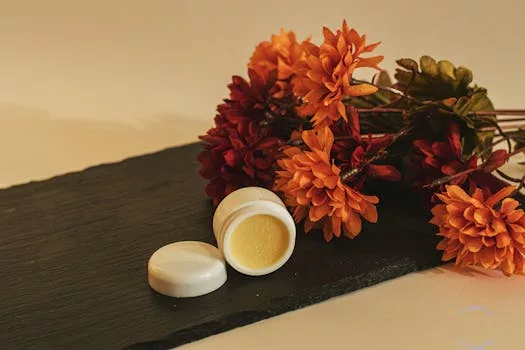
Did you know that the average person applies lip balm up to 10 times a day? That’s a staggering amount of product we’re slathering on, often without a second thought. We reach for it instinctively: when lips feel dry, chapped, or just… there. But have you ever paused to truly consider the humble stick of lip balm? Is it merely a waxy barrier, or does it possess a more intricate alchemy designed to protect and heal our delicate lip skin? This exploration delves into the often-overlooked nuances of lip balm, prompting us to think critically about what we’re actually putting on our lips.
The Anatomy of a Soothing Swipe: Key Ingredients to Ponder
When we talk about lip balm, we’re not just talking about a single entity. Beneath the surface of that convenient tube lies a complex blend of ingredients, each playing a specific role. It’s easy to get lost in the marketing jargon, but understanding the fundamental components can empower you to make a more informed choice.
Occlusives: The Protective Shield: These are the heavy hitters, designed to form a physical barrier on the lips. Think petrolatum, mineral oil, lanolin, and beeswax. They don’t necessarily add moisture, but they are incredibly effective at preventing moisture loss from the environment. Ever wondered why some balms feel richer and last longer? Occlusives are likely the reason.
Emollients: The Softeners: These ingredients work to smooth and soften the skin. Natural oils like coconut oil, shea butter, cocoa butter, and jojoba oil fall into this category. They fill in the tiny cracks and crevices on the lip surface, giving that silky, supple feel. I’ve often found that balms rich in natural emollients feel more luxurious and less greasy.
Humectants: The Moisture Magnets: While less common in traditional lip balms, some formulations include humectants like hyaluronic acid or glycerin. These ingredients draw moisture from the air into the skin. However, in very dry environments, they can sometimes pull moisture away from the lips if not paired with a good occlusive. It’s a delicate balancing act.
Active Ingredients: The Targeted Treatments: Many lip balms go beyond basic conditioning. SPF is a crucial addition for daytime protection against UV damage. Others might contain healing agents like vitamin E, chamomile, or calendula for soothing irritation, or even mild exfoliants like salicylic acid for gently sloughing away dry skin.
Beyond Basic Hydration: What Constitutes Truly Effective Lip Care?
The term “lip balm” can be a bit of a catch-all, can’t it? While all aim to moisturize, the effectiveness can vary wildly. What separates a good lip balm from a great one? It’s often in the synergy of its ingredients and its suitability for your specific needs.
#### Understanding Your Lip’s Needs: Dryness vs. Damage
Are your lips simply a little parched, or are they genuinely cracked and damaged? This distinction is key. For mild dryness, a simple blend of occlusives and emollients might suffice. However, for more severe chapping, you might need a balm with ingredients known for their repairative properties and a more robust occlusive layer to truly seal in goodness and protect against further irritation.
One thing I’ve learned over the years is that sometimes, the simplest formulations are the most effective. Over-complicated ingredient lists can sometimes introduce potential irritants. Finding a reliable, no-frills lip balm that works for your skin type is a victory in itself.
The Double-Edged Sword: Ingredients to Approach with Caution
While many lip balm ingredients are beneficial, a few can be problematic for some individuals. It’s worth being aware of these, as they might be contributing to a cycle of dryness or irritation.
Fragrance and Flavorings: These can be lovely for sensory appeal, but they are also common culprits for allergic reactions or contact dermatitis on the sensitive lip area. If your lips often feel irritated after using a flavored balm, this might be the reason.
Phenol, Menthol, and Camphor: While these can provide a temporary cooling or tingling sensation, they can also be drying and irritating over time. They might feel good initially, but they’re not always the best for long-term lip health.
Salicylic Acid (in high concentrations): While beneficial for exfoliation, too much can strip the lips of their natural oils, leading to more dryness.
Are you sure that tingle is a sign of healing, or could it be a subtle irritation? It’s a question worth asking yourself when you feel that familiar sensation after applying your chosen lip balm.
Navigating the Market: Choosing Your Perfect Lip Balm Companion
With so many options on shelves, how do you pick the right one? It’s not just about brand loyalty or pretty packaging. Think of it as a personal quest for the optimal lip protector.
Consider Your Environment: Live in a dry climate? Windy city? High altitudes? You’ll likely need a more robust occlusive formula to combat environmental stressors.
Think About Your Lifestyle: Are you outdoorsy? Do you need SPF protection daily? Or are you primarily concerned with overnight repair?
Patch Test (If You’re Prone to Sensitivity): If you have sensitive skin or a history of reactions, it’s always a good idea to test a new lip balm on a small area of skin before applying it liberally.
* Read the Ingredient List: Don’t just skim. Take a moment to understand what you’re buying. Look for key occlusives and emollients.
Final Thoughts: The Power of Informed Application
Ultimately, the nuanced world of lip balm reveals that it’s far more than a simple cosmetic. It’s a complex formulation designed to protect, soothe, and repair one of the most exposed and vulnerable parts of our skin. By understanding the ingredients and considering your individual needs, you can move beyond mindless application to a more intentional and effective approach to lip care. Don’t underestimate the power of choosing wisely; your lips will thank you for it.
Kevin
Senior staff writer & editor delivering comprehensive analysis, news reports, and detailed guides.