
Decoding Your Denim: The Art and Science of Inseam Measurement
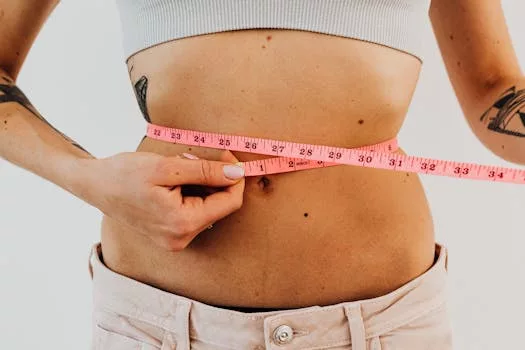
Ever find yourself staring at a pair of jeans, wondering if they’ll finally hit that sweet spot between too short and puddling on the floor? You’re not alone. The quest for well-fitting trousers, whether for work, play, or athletic pursuits, often hinges on one often-overlooked, yet critically important, dimension: the ininseam measurementIt’s more than just a number; it’s the key to comfort, style, and confidence. Understanding how to accurately measure your inseam, and what that measurement truly signifies, can dramatically change your shopping experience and the way your clothes look and feel.
Why Does Your Inseam Measurement Matter So Much?
Think of your inseam as the foundational measurement for anything that covers your legs. It dictates how much fabric you have from your crotch down to where the hem should ideally sit. A precise inseam measurement ensures that:
Pants fit correctly: No more bunching at the ankle, tripping over excess fabric, or feeling like your trousers are perpetually too short.
Comfort is maximized: Proper length means freedom of movement, whether you’re sitting, standing, or on the go.
Style is enhanced: The right inseam can elongate your legs, balance your proportions, and contribute to a polished overall look.
Cost is optimized: Avoiding ill-fitting garments means fewer returns and fewer impulse buys that end up unworn in your closet.
It’s a simple measurement, yet its impact on your wardrobe is profound.
The ‘How-To’: Mastering Your Inseam Measurement
Measuring your inseam is straightforward, but precision is key. You’ll need a flexible tape measure and, ideally, a friend to assist, though you can manage solo.
Step-by-Step Guide:
- Stand Tall and Relaxed: Wear minimal, form-fitting undergarments or thin leggings. Stand with your feet about hip-width apart on a flat surface. Avoid shoes at this stage; you’ll add them later if measuring for specific footwear.
- Locate Your Crotch: Have your assistant gently run the tape measure up the inside of your leg, starting from the very top of your inner thigh, where the crotch seam of your pants would typically sit.
- Mark the Spot: The tape should follow the natural curve of your leg. The crucial point is the actual crotch point – where the seams of your trousers meet. It’s important not to confuse this with the top of your waistband.
- Measure Down to the Desired Hem: From that crotch point, bring the tape measure straight down the inside of your leg. You’ll need to decide where you want the hem to fall.
For most pants: Measure to your ankle bone.
For trousers that sit over shoes: Extend the measurement slightly further, considering the shoe you intend to wear.
For athletic wear: You might want it to end just above the ankle or at the calf.
- Record the Measurement: Read the measurement on the tape measure where you’ve decided the hem should end. This is your inseam. It’s helpful to measure both legs, as there can be slight variations.
Pro Tip: If measuring yourself, you can use a book or ruler placed firmly against your crotch and stand with your back against a wall. Mark the wall at the desired hem point, then step away and measure from the floor to the mark.
Beyond the Number: Understanding Inseam Variations
It’s not just about knowing your inseam measurement; it’s about understanding how that number translates into garment sizing and style. Different brands might use slightly different measurements, and the intended fit of a garment can influence what inseam length is ideal.
Standard vs. Custom: Most off-the-rack clothing uses standard inseam lengths (e.g., 30″, 32″, 34″). For a perfect fit, especially if you’re on the shorter or taller side, custom tailoring or seeking out brands with a wider range of inseam options is beneficial.
Break of the Pant: This refers to how the hem of your pants interacts with your shoes.
No break: The hem just touches the top of the shoe.
Slight break: A small crease where the fabric rests on the shoe.
Medium break: A noticeable fold or crease.
Full break: Significant creasing and fabric gathering.
Your inseam measurement, combined with your desired break, dictates the final pant length.
Rise Matters: The rise of your pants (the distance from the crotch to the waistband) also impacts how a specific inseam measurement will look. A high-waisted pant with a 32″ inseam will fall differently than a low-waisted pant with the same 32″ inseam.
What’s My Ideal Inseam? Factors to Consider
Determining your ideal inseam measurement involves more than just a tape measure. Consider these factors:
Your Height and Leg Length: Naturally, taller individuals tend to have longer inseams. However, leg length relative to torso length can vary significantly, even among people of the same height.
The Type of Garment:
Jeans: Often worn with casual shoes or boots, so a 32″ or 34″ inseam might be common.
Dress Pants: Usually require a specific break over dress shoes, demanding precision.
Shorts: Inseam is measured differently for shorts, typically from the crotch to the hem of the shorts themselves.
Athletic Pants/Leggings: Many prefer a slightly shorter inseam for ease of movement and to avoid bunching.
Your Personal Style: Do you prefer your pants to skim your shoes, or do you like a more modern, cropped look? Your aesthetic preferences play a big role. I’ve often found that people underestimate how much a slightly longer or shorter inseam can change their overall silhouette.
Footwear: Always try on pants with the shoes you intend to wear them with, or have a good idea of the shoe’s height. A heeled boot will require a different inseam than a flat sneaker.
Investing in Fit: Tailoring and Smart Shopping
Once you have your accurate inseam measurement, you’re equipped for smarter shopping. However, even with the best intentions, off-the-rack clothing isn’t always a perfect match. This is where the magic of tailoring comes in.
The Power of a Seamstress/Tailor: Don’t underestimate the value of professional alterations. A skilled tailor can adjust the inseam of almost any pair of pants to your exact specifications. This is particularly useful for expensive garments or if you’ve found a style you love but the length is slightly off. It’s a small investment that yields significant returns in wearability and style.
Reading Size Charts: When shopping online, always consult the brand’s specific size chart. Look for their inseam measurements for different sizes and styles. Some brands offer “short,” “regular,” and “long” options for inseams, which is incredibly helpful.
Experimentation: Don’t be afraid to try different inseam lengths. What works for one person might not work for you. Try on pants with various inseam lengths to see how they fall on your body and with your preferred footwear.
Final Thoughts on Perfect Fit
Mastering your inseam measurement is a fundamental step towards building a wardrobe that not only looks good but feels* good. It’s about taking control of your clothing’s fit and understanding how small details can make a significant impact. By understanding the nuances of measuring, considering your personal style and footwear, and knowing when to leverage tailoring, you can move beyond the frustration of ill-fitting pants and embrace the confidence that comes with a truly perfect fit. So, grab that tape measure, get accurate, and start experiencing the difference – your legs will thank you.
Kevin
Senior staff writer & editor delivering comprehensive analysis, news reports, and detailed guides.