
Beyond the Surface: The Tactile Revolution of Contemporary Textured Rugs
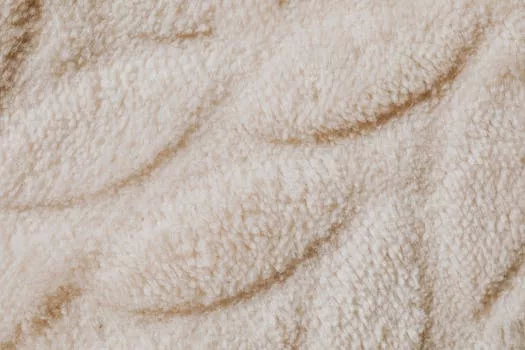
For too long, rugs have been relegated to the status of mere floor coverings, their primary function being to absorb foot traffic and, perhaps, introduce a splash of color. This perspective, however, fails to capture the profound impact that contemporary textured rugs can have on a space. These aren’t just decorative accents; they are meticulously crafted pieces that engage our senses, define zones, and inject a sophisticated dynamism into interior design. The current landscape of rug design is characterized by an exciting exploration of materiality and form, moving far beyond the flat, predictable surfaces of the past.
The Evolution of Tactility in Interior Design
We’ve witnessed a palpable shift in design philosophy, one that prioritizes sensory experience. In an increasingly digital world, the appeal of the tangible, the feel of something underfoot, has become paramount. This is where contemporary textured rugs truly shine. They offer an antidote to sterile, minimalist aesthetics, introducing warmth, depth, and an undeniable element of luxury. It’s fascinating to observe how designers are now leveraging texture to evoke specific moods and architectural qualities within a room.
Unpacking the ‘Texture’ Spectrum: More Than Just a Shag Pile
The term “textured” can often conjure images of an 80s shag carpet. However, the contemporary interpretation is far more nuanced and sophisticated. We’re talking about a diverse array of techniques and materials that create intricate surface variations.
#### Material Alchemy: Weaving New Sensory Experiences
The very fibers used are key to unlocking this tactile richness. Think beyond wool and cotton, though these classics are still being reimagined.
Natural Fibers Reimagined: Jute, sisal, and hemp are being treated and woven in novel ways to create surprisingly soft yet durable textures. Their inherent variations in color and thickness add an organic appeal.
The Rise of Performance Synthetics: Modern synthetics, like advanced polypropylenes and recycled PET, are engineered to mimic natural fibers but with enhanced durability and stain resistance. Many now boast incredibly complex weaves and pile constructions that feel surprisingly authentic.
Blends for Complexity: Designers are expertly blending fibers – wool with silk, jute with chenille – to achieve unique visual and tactile effects. A subtle sheen from silk interwoven with the matte depth of wool, for instance, creates a layered, inviting surface.
#### Architectural Weaves and Sculptural Forms
The construction of the rug itself is where artistry truly comes alive. These are not simply flat planes of color.
High-Low Piles: This technique involves varying the height of the pile within the same rug. It creates subtle shadows and dimensions, making the rug appear almost sculpted.
Loop and Cut Piles: Alternating between looped and cut pile sections generates distinct patterns and tactile contrasts. A loop pile offers a tighter, more geometric feel, while a cut pile provides softness and depth.
Hand-Knotted and Hand-Tufted Intricacy: These artisanal techniques allow for incredibly detailed designs and complex textural play. The variations inherent in handcrafting add a unique character that mass-produced rugs simply can’t replicate.
3D Weaves and Dimensionality: Some contemporary designs push the boundaries further, featuring raised patterns, knotted fringes that cascade, or even woven structures that create a visually impactful, almost architectural effect.
Strategic Placement: Where Texture Elevates Functionality
Contemporary textured rugs are not just for the living room. Their ability to define spaces and introduce comfort makes them invaluable design tools across various areas.
#### Defining Zones in Open-Plan Living
In homes where multiple functions coexist within a single space, a textured rug acts as a powerful visual anchor. A plush, high-pile rug can demarcate a cozy seating area, signaling comfort and relaxation, while a flatter, more geometric textured rug might define a dining space, offering a sense of order and practicality. I’ve often found that the contrasting textures between zones can enhance the overall spatial definition without the need for physical barriers.
#### The Sensory Comfort of the Bedroom
The bedroom is an obvious sanctuary, and a textured rug can amplify this feeling of comfort immeasurably. Imagine stepping out of bed onto a soft, inviting weave – it’s an instant upgrade to your morning routine. Low-pile, subtly textured rugs can offer a sophisticated, calming presence, while a more substantial texture can introduce a sense of enveloping warmth.
#### Adding Depth to Transitional Spaces
Hallways and entryways, often overlooked, can be transformed by textured rugs. A runner with an interesting weave or subtle pile variation can prevent these areas from feeling like mere thoroughfares, instead imbuing them with character and welcoming warmth. This is particularly effective in narrow spaces where visual interest is key.
Investing in a Sensory Statement
When considering contemporary textured rugs, it’s crucial to view them not as a disposable commodity, but as a significant investment in your home’s overall aesthetic and sensory appeal. The craftsmanship, the innovative materials, and the sheer artistic expression involved contribute to a piece that will not only endure but also evolve with your style. The tactile dimension adds a layer of engagement that a flat rug simply cannot achieve.
Final Thoughts: Embrace the Tactile Narrative
Ultimately, contemporary textured rugs are a testament to the power of touch in design. They invite interaction, encourage lingering, and contribute a rich, multifaceted narrative to any interior. As we continue to seek spaces that are not just visually appealing but also deeply comfortable and engaging, the textural rug emerges as a cornerstone of sophisticated, human-centric design. Don’t just look at your floors; feel* them. Embrace the tactile revolution.
Kevin
Senior staff writer & editor delivering comprehensive analysis, news reports, and detailed guides.