
Beyond the Surface: A Proactive Approach to Weatherproofing Your Thresholds and Outdoor Living Spaces
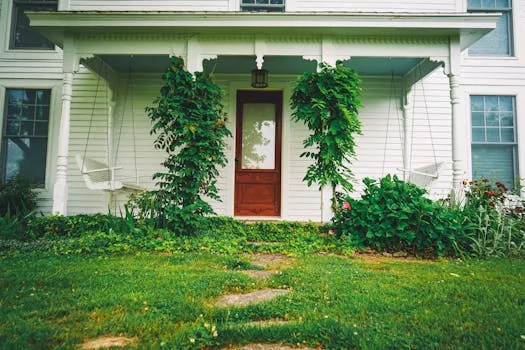
The seemingly simple act of opening and closing a door, or stepping out onto a patio, connects our interior sanctuary with the unpredictable external environment. Yet, how often do we truly consider the cumulative impact of relentless sun, torrential rain, biting frost, and whipping winds on these crucial architectural elements? The common approach to protecting doors and patios from weather often defaults to superficial fixes, overlooking the underlying material science and integrated design principles that offer truly robust, long-term resilience. This isn’t just about cosmetic upkeep; it’s about preserving structural integrity, enhancing energy efficiency, and ultimately, safeguarding your investment.
The Silent Erosion: Understanding Weather’s Multifaceted Attack
It’s easy to dismiss a bit of dampness or a faded stain. However, the constant barrage from the elements initiates a cascade of degradation. For doors, particularly those made of wood or certain metals, repeated moisture ingress can lead to rot, warping, and the insidious creep of corrosion. UV radiation, the sun’s relentless rays, acts like a slow-burning accelerant, breaking down sealants, fading finishes, and compromising the very material structure. Patio materials, whether wood decking, concrete, or natural stone, face similar threats. Freeze-thaw cycles are particularly brutal, forcing water into micro-cracks, which then expands upon freezing, widening these fissures with each cycle. This persistent assault weakens materials, compromises their aesthetic appeal, and can even lead to costly structural failures if left unaddressed.
Material Science Matters: Choosing the Right Defenses
When considering protecting doors and patios from weather, the first, and perhaps most critical, step lies in understanding the inherent properties of the materials you’re working with and the substances you employ for protection.
#### For Doors: A Layered Defense
Wood Doors: For timber, the battle is against moisture absorption and UV degradation. High-quality, exterior-grade sealants and paints are non-negotiable. Look for products with robust UV inhibitors and mildewcides. However, a truly resilient strategy involves proper wood treatment before finishing. This might include pressure treatment for ultimate protection against rot and insects, or thorough saturation with water-repellent oils and sealers. Regular reapplication (often annually or biennially, depending on climate and product) is key. In my experience, failing to maintain the finish is the primary culprit behind premature door failure.
Metal Doors: While inherently more durable, aluminum and steel doors aren’t immune. Aluminum can oxidize, and steel is susceptible to rust if the protective coating is compromised. High-performance powder coatings or multi-stage paint systems offer superior protection. For steel, galvanization is crucial, followed by a suitable primer and topcoat. Regular cleaning to remove corrosive agents like salt spray (in coastal areas) or industrial pollutants can significantly extend their lifespan.
Composite and uPVC Doors: These materials offer excellent inherent weather resistance. However, their seals (gaskets and weatherstripping) are still vulnerable. Inspect and replace brittle or cracked seals annually to maintain their thermal performance and prevent water ingress. The locking mechanisms and hinges on these doors can also benefit from occasional lubrication with a silicone-based spray to prevent seizing and corrosion.
#### For Patios: From Foundation to Finish
Wood Decking: Beyond sealing, consider the installation itself. Proper ventilation beneath the deck prevents moisture buildup and rot. Using high-quality, rot-resistant wood species like cedar or redwood, or opting for composite decking, provides a significant advantage. For wood, semi-transparent stains offer better breathability and UV protection than solid paints, allowing the wood’s natural grain to show while still providing a barrier.
Concrete and Pavers: Sealants are paramount here. For concrete, a penetrating sealer is ideal as it soaks into the pores, providing a barrier against water and de-icing salts without forming a slippery surface film. For pavers, polymeric sand in the joints is essential. This specialized sand hardens when wet, creating a solid bond that prevents weed growth and erosion, thereby reducing water infiltration. Regular sweeping and occasional reapplication of sealers (typically every 2-3 years) are vital.
Natural Stone: Each type of natural stone has unique porosity. Sealing is typically recommended, but it’s crucial to use a sealer specifically formulated for that stone type to avoid discoloration or etching. For instance, a travertine patio will require a different approach than a slate one. Understanding the specific needs of your chosen material is non-negotiable.
Integrated Design: More Than Just Coatings
True protecting doors and patios from weather extends beyond individual material treatments. It involves thinking holistically about how your home’s exterior is designed to manage the elements.
#### Strategic Overhangs and Drainage
Roof Overhangs: The simplest yet often overlooked defense. Generous roof overhangs extend protection to doors and the immediate patio area, diverting rain and snowmelt away from vulnerable surfaces. This reduces direct exposure and the associated moisture-related damage.
Proper Grading and Drainage: Ensure your patio slopes away from your home’s foundation. Water pooling against the foundation is a recipe for disaster, potentially compromising both the structure and the patio itself. French drains or strategically placed downspouts can also be invaluable in managing runoff and preventing water accumulation near your doors.
#### Weather Stripping and Sealing: The Unsung Heroes
For doors, the effectiveness of your weatherproofing is heavily reliant on the integrity of the seals between the door and its frame.
Comprehensive Sealing: Don’t just focus on the bottom sweep. Inspect and maintain the seals around the entire door jamb. Replace worn-out or compressed weatherstripping. For extreme climates, consider more robust, custom-fit sealing solutions.
Threshold Importance: The threshold is a critical barrier. Ensure it’s properly sealed to the frame and floor, and that its design aids in directing water away. Adjustable thresholds can be a boon, allowing for fine-tuning as materials settle or wear.
Long-Term Vigilance: A Schedule for Durability
The battle against the elements is ongoing. Proactive maintenance, rather than reactive repair, is the hallmark of a smart homeowner.
Seasonal Inspections: Conduct thorough inspections of doors and patios at the beginning and end of each major season. Look for cracks, signs of rot, peeling paint, loose fasteners, and deteriorating seals.
Annual Refinishing (or as needed): Develop a schedule for refinishing wooden elements. Even composite materials benefit from occasional cleaning with appropriate agents to remove grime and prevent mold/mildew growth.
Prompt Repairs: Address small issues immediately. A tiny crack can quickly become a significant point of failure when exposed to repeated weather cycles. Don’t wait until the problem is visible from a distance.
Conclusion: Investing in Resilience
Ultimately, protecting doors and patios from weather* is not merely about aesthetics; it’s a fundamental aspect of home maintenance that directly impacts longevity, energy efficiency, and structural integrity. By understanding material properties, implementing integrated design principles, and committing to a schedule of proactive vigilance, you transform these transitional spaces from potential weak points into resilient extensions of your home.
So, the next time you step outside, consider the invisible forces at play and ask yourself: Have I truly equipped my doors and patios to stand the test of time and the elements, or am I merely applying a temporary bandage?
Kevin
Senior staff writer & editor delivering comprehensive analysis, news reports, and detailed guides.