
Beyond the Recipe: Reimagining Culinary Techniques for Deeper Flavor
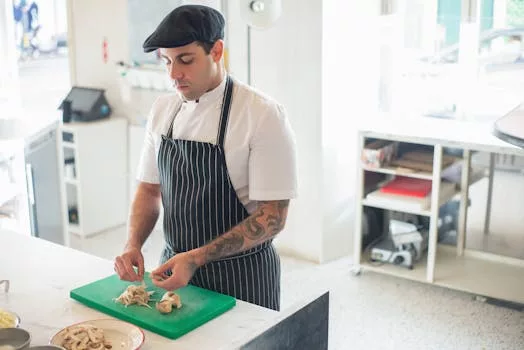
Many of us approach cooking like a scientist, meticulously following instructions to achieve a predictable outcome. We measure, we mix, we heat. But what if the true magic of the kitchen lies not just in what we do, but why we do it? Culinary techniques are often presented as rigid rules, a set of steps to be memorized. However, looking at them through a more inquisitive lens reveals a world of possibilities, a landscape where understanding the underlying principles allows for genuine creativity and delicious results. It’s about embracing the art behind the action, transforming everyday cooking into a thoughtful exploration.
The Humble Sizzle: More Than Just Sound
Think about the sizzle. It’s an auditory cue, yes, but it’s also the first hint of something profound happening at a molecular level. Searing, for instance. We know it browns meat and adds flavor. But why? It’s the Maillard reaction, a complex dance of sugars and amino acids that, when exposed to heat, creates hundreds of new aroma and flavor compounds. This isn’t just about achieving a golden-brown crust; it’s about unlocking hidden depths of taste. Understanding this allows us to tweak temperatures, cooking times, and even the ingredients we add beforehand to maximize this flavor-generating process. Have you ever considered the specific surface area of your pan and how it impacts the efficiency of this reaction? It’s these subtle considerations that elevate simple searing into a refined culinary technique.
Emulsification: The Art of Uniting the Unmixable
What about mayonnaise? Or a perfectly stable vinaigrette? These rely on emulsification, a technique that, at its core, is about bringing together ingredients that naturally repel each other, like oil and water. It’s a testament to the power of science in the kitchen. Lecithin, found in egg yolks, acts as a bridge, its molecules having a part that loves water and another that loves oil. When vigorously whisked or blended, these lecithin molecules surround tiny droplets of oil, suspending them evenly within the water-based component.
In my experience, many home cooks shy away from making their own mayonnaise or hollandaise, fearing separation. But when you grasp the concept of emulsification, it becomes less intimidating and more empowering. It’s about understanding the role of the emulsifier, the importance of temperature, and the gradual addition of ingredients. This principle extends to countless other dishes, from creamy sauces to airy mousses. It’s a fundamental concept in many advanced culinary techniques.
The Power of Acidity: More Than Just a Tang
Acidity is often relegated to adding a “zing” to a dish. While true, its role is far more nuanced. Think of lemon juice or vinegar. They don’t just brighten flavors; they actively transform textures and aid in cooking. A squeeze of lemon on fish can begin to “cook” it through a process called denaturation, similar to heat but at a much gentler pace. In marinades, acids break down tough muscle fibers, tenderizing meats.
Furthermore, acidity can cut through richness, balancing out fatty or heavy ingredients, making them more palatable. It’s a balancing act that requires thoughtful application. Too much, and your dish can become sharp and unpleasant. Too little, and it might feel flat and one-dimensional. Learning to identify when and how much acid to use is a mark of a skilled cook. It’s about understanding how these simple liquids interact with proteins, fats, and other flavor compounds to create a more harmonious whole. This is a prime example of how understanding the science behind culinary techniques unlocks creative potential.
The Gentle Whisper of Sous Vide: Precision Personified
Sous vide cooking, a technique that involves vacuum-sealing food in a bag and cooking it in a precisely temperature-controlled water bath, often gets a reputation for being overly complex or even “cheating.” However, from an expert perspective, it’s a masterclass in control and consistency. This method allows for unparalleled precision, ensuring that proteins are cooked to their exact desired doneness from edge to edge, without the risk of overcooking.
Unlike traditional methods where heat can be uneven, sous vide eliminates guesswork. It’s particularly brilliant for delicate items like fish or custards, where slight temperature fluctuations can be disastrous. The real artistry here lies not in the technique itself, but in the preparation that precedes and follows it. For instance, searing a sous vide steak after it’s been cooked to perfection provides that crucial Maillard reaction without drying out the interior. It’s a symbiosis of methods that highlights how different culinary techniques can complement each other beautifully.
Fermentation: Nature’s Slow Transformation
Fermentation is perhaps one of the oldest culinary techniques, a slow, natural transformation that imbues food with complex flavors, unique textures, and beneficial probiotics. Think of kimchi, sourdough, or even yogurt. This process relies on beneficial microorganisms, like bacteria and yeasts, to break down sugars into acids, alcohols, and gases. This doesn’t just preserve food; it creates entirely new flavor profiles that are impossible to achieve through rapid cooking.
The real challenge and reward in fermentation lie in understanding the balance of ingredients, temperature, and time. It requires patience and observation, allowing nature to do much of the heavy lifting. It’s an exploration of microbial life that results in deeply satisfying, complex, and often surprising flavors. It’s a technique that encourages a slower, more mindful approach to cooking, appreciating the gradual evolution of ingredients.
Final Thoughts: The Perpetual Student in the Kitchen
Ultimately, “culinary techniques” are not a static endpoint, but a dynamic toolkit. They are the principles that govern how we interact with ingredients, unlock their potential, and create delicious experiences. By moving beyond rote memorization and embracing a spirit of inquiry, we can truly elevate our cooking. Ask yourself: why does this method work? What chemical or physical changes are occurring? How can I adapt this to different ingredients or desired outcomes? This inquisitive approach fosters not just better cooks, but more intuitive and creative ones, perpetually learning and refining their craft. The kitchen is a laboratory of delicious discoveries, and understanding the underlying techniques is your key to unlocking them.
Kevin
Senior staff writer & editor delivering comprehensive analysis, news reports, and detailed guides.