
Beyond the Bloom: Why Implementing Native Plant Gardens is Your Next Smartest Landscape Move
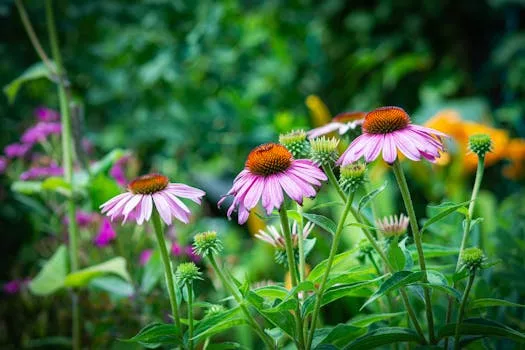
Ever looked at your garden and wondered if there’s a more effortless, yet impactful, way to cultivate beauty and support your local ecosystem? It’s a question many gardeners grapple with, especially as we become more aware of environmental shifts. Traditional landscaping often relies on a revolving door of thirsty, non-native species that demand constant attention. But what if there was a way to create a landscape that thrives with minimal intervention, bursts with natural charm, and actively benefits the wildlife around you? This is the transformative power of learning to properly implement native plant gardens.
Unearthing the “Why”: More Than Just Pretty Petals
The allure of a perfectly manicured lawn and exotic blooms is undeniable, but it often comes at a hidden cost. Native plants, by definition, have evolved over millennia to thrive in their specific region’s climate, soil conditions, and natural pest cycles. This inherent adaptability is their superpower, offering a cascade of benefits that extend far beyond aesthetics.
Resilience Rooted in Nature: When you choose to implement native plant gardens, you’re choosing plants that are already perfectly suited to your local environment. This means they can withstand local drought conditions, tolerate periods of heavy rain, and resist common pests and diseases without the need for constant chemical intervention. Think less fuss, more flourishing.
A Feast for Local Wildlife: Native plants are the bedrock of local food webs. They provide essential nectar, pollen, seeds, and shelter for native insects, birds, and other animals. A garden rich in native species becomes a vital ecological corridor, supporting biodiversity right in your backyard. It’s truly remarkable how quickly local pollinators flock to a well-established native garden.
Water-Wise Wonders: One of the most significant advantages is their reduced need for watering. Once established, native plants typically require far less supplemental irrigation than their non-native counterparts. This is a huge win for water conservation and can significantly lower your water bills, especially during dry spells.
Soil Health Superchargers: Many native plants have deep root systems that help to improve soil structure, prevent erosion, and enhance water infiltration. They contribute to a healthier, more robust soil ecosystem over time.
Getting Started: The Practical Path to Implementing Native Plant Gardens
The idea of transforming your garden might seem daunting, but the process of implementing native plant gardens is more accessible than you might imagine. It’s about smart choices and understanding the unique gifts of your local flora.
#### 1. Know Your Backyard: Site Assessment is Key
Before you dig, take a good look around. What are the existing conditions in your garden?
Sunlight: How much sun does each area receive throughout the day? Is it full sun, partial shade, or deep shade?
Soil Type: Is your soil sandy, clay, loamy, or rocky? Does it drain well, or does it tend to stay waterlogged?
Moisture Levels: Are there areas that are consistently dry or consistently wet?
Existing Vegetation: What’s already growing well (or not so well)?
Understanding these elements will help you select native plants that will truly thrive, rather than struggle. This initial observation phase is crucial for long-term success and dramatically reduces the guesswork involved in planting.
#### 2. Research Your Local Heroes: Identifying the Right Natives
This is where the fun really begins! Your local extension office, native plant societies, and reputable nurseries are invaluable resources. They can provide lists of plants native to your specific region.
Think Layered: Aim for a variety of plant types – trees, shrubs, perennials, grasses, and groundcovers. This creates a more complex and beneficial habitat.
Consider Bloom Times: Choose plants that bloom at different times of the year to provide a continuous food source for pollinators.
Don’t Forget the “Weeds”: Sometimes, what we dismiss as a “weed” is actually a valuable native plant! Research before you pull.
My own journey into native gardening started with identifying a common, yet often overlooked, native wildflower that was buzzing with bees. It was a revelation!
#### 3. Designing Your Native Oasis: From Concept to Creation
Once you have a shortlist of plants, start sketching out your design.
Group Plants with Similar Needs: Place plants that require similar amounts of sun and water together.
Consider Mature Size: Allow ample space for plants to grow to their full potential. Overcrowding leads to competition and reduced vigor.
Embrace Natural Aesthetics: Native gardens often have a more natural, informal look. Don’t be afraid to let plants mingle and spread. Think of it as creating a mini-ecosystem.
Making the Transition: Practical Steps to Implement Native Plant Gardens
Ready to get your hands dirty? Here’s a breakdown of the process:
#### Preparing the Groundwork
Remove Existing Lawn/Weeds: This is often the most labor-intensive step. Options include sheet mulching (lasagna gardening), solarization, or manual removal.
Amend Soil (Sparingly): For many native plants, especially those adapted to poor or sandy soils, adding excessive compost can actually be detrimental. Focus on improving drainage if necessary.
#### Planting Your Natives
Timing is Everything: The best time to plant is typically in the fall or early spring, allowing roots to establish before extreme weather sets in.
Proper Planting Technique: Dig a hole twice as wide as the root ball and just as deep. Gently loosen any circling roots and plant so the top of the root ball is level with the surrounding soil. Water thoroughly.
#### Ongoing Care: The Gentle Touch of Native Maintenance
The beauty of implementing native plant gardens is that the ongoing care is significantly reduced.
Watering: Water deeply and infrequently once plants are established. Let the rain do most of the work.
Mulching: A layer of organic mulch helps retain moisture, suppress weeds, and regulate soil temperature.
Pruning: Prune only as needed for shape or to remove dead or diseased branches. Many native plants look best with minimal pruning.
Embrace Imperfection: Resist the urge to deadhead every spent flower if it means providing seeds for birds or allowing plants to self-seed naturally. A truly native garden has its own rhythms.
The Long-Term Rewards: A Garden That Gives Back
Successfully learning to implement native plant gardens is not just about creating a beautiful space; it’s about fostering a connection with the natural world. It’s about investing in a landscape that requires less from you and gives back more to the environment. You’ll witness the vibrant flutter of butterfly wings, the busy hum of bees, and the cheerful chirping of birds, all thanks to the habitat you’ve provided.
As you watch your native garden mature, you’ll appreciate its evolving beauty, its resilience against the elements, and its profound contribution to the local ecosystem. It’s a journey that is both personally rewarding and environmentally responsible.
So, are you ready to trade the constant demands of a conventional garden for the effortless elegance and ecological richness of a native landscape?
Kevin
Senior staff writer & editor delivering comprehensive analysis, news reports, and detailed guides.