
Beyond the Beaker: How to Actually Transform Labs Operationally
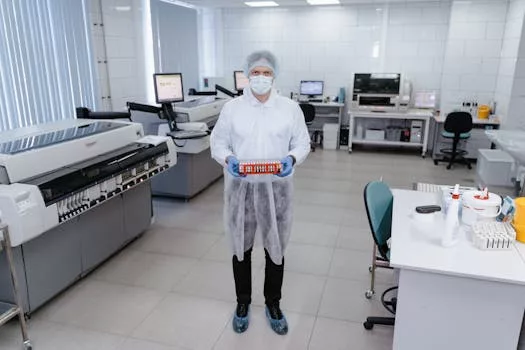
Are you tired of the endless cycle of manual processes, data silos, and bottlenecks that plague your laboratory? Does the phrase “transform labs operationally” sound like another buzzword destined for the discard pile? If so, you’re not alone. Many labs struggle to move beyond aspirational goals and implement tangible changes that genuinely improve how they function day-to-day. The truth is, operational transformation isn’t about flashy new equipment; it’s about a fundamental shift in how your lab thinks, works, and leverages its resources. Let’s cut through the jargon and focus on what it takes to make a real difference.
The Core of Operational Excellence: Defining Your ‘Why’
Before diving into specific tactics, it’s crucial to pinpoint why you need to transform your lab’s operations. Is it faster turnaround times? Reduced errors? Improved data integrity? Enhanced researcher productivity? Understanding your core objectives will dictate the most impactful changes you can make. Without a clear vision, any initiative risks becoming a costly, albeit well-intentioned, exercise in futility. Think of it as setting your compass before embarking on a journey; you need to know your destination.
For instance, if your primary goal is to accelerate R&D cycles, your focus might heavily lean towards automation and digital workflow management. Conversely, if cost reduction is paramount, optimizing reagent inventory and improving energy efficiency could take precedence. I’ve seen labs spend fortunes on advanced instrumentation only to see minimal gains because they didn’t address the underlying process inefficiencies. It’s about strategic alignment, not just technological adoption.
Streamlining Workflows: The Foundation of Efficiency
The most direct path to transforming labs operationally lies in meticulously examining and refining your existing workflows. This isn’t about minor tweaks; it’s about a root-and-branch review.
Map Your Processes: Document every step of your key laboratory procedures, from sample receipt to data analysis and reporting. Identify redundancies, manual handoffs, and potential points of failure.
Embrace Automation Strategically: Automation isn’t just for high-throughput screening. Consider automating repetitive tasks like pipetting, data entry, or sample preparation. This frees up highly skilled personnel for more complex analytical work.
Standardize Procedures (SOPs): Ensure your Standard Operating Procedures are clear, concise, and rigorously followed. Inconsistencies are fertile ground for errors and operational drag. Regularly review and update your SOPs to reflect best practices and any implemented changes.
Investigate Lean Principles: Concepts like “eliminate waste” and “continuous improvement” are highly applicable. Look for non-value-added steps in your processes that consume time and resources without contributing to the final output.
One area that often gets overlooked is the initial sample handling. A poorly managed intake process can cascade into delays and errors downstream, significantly impacting your lab’s overall operational efficiency.
Data Management: From Chaos to Clarity
Poor data management is a silent killer of laboratory productivity. When data is scattered across spreadsheets, notebooks, or disparate systems, it creates silos, hinders collaboration, and makes it incredibly difficult to gain actionable insights. Transforming your data practices is fundamental to transforming labs operationally.
Implement a Laboratory Information Management System (LIMS): A robust LIMS is often the cornerstone of operational transformation. It centralizes all sample, experiment, and instrument data, providing a single source of truth.
Ensure Data Interoperability: Your LIMS should ideally integrate with other lab systems (e.g., ELNs, instrument software) to minimize manual data re-entry and ensure data consistency.
Focus on Data Quality: Establish clear protocols for data entry, validation, and archiving. Poor quality data leads to unreliable results and wasted effort. Think about data governance from the outset.
Leverage Analytics: Once your data is organized, use it! Implement dashboards and reporting tools to monitor key performance indicators (KPIs) and identify trends. This data-driven approach is key to ongoing operational improvement.
I’ve seen firsthand how a well-implemented LIMS can reduce data retrieval times from days to mere minutes, dramatically impacting research velocity. It’s not just about storage; it’s about accessibility and usability.
Empowering Your Team: The Human Element
Technology and processes are critical, but the true engine of operational transformation is your team. Investing in your people is as vital as investing in new software.
Provide Comprehensive Training: Ensure all staff are thoroughly trained on new technologies, software, and SOPs. Ongoing training and professional development are essential.
Foster a Culture of Continuous Improvement: Encourage staff to identify problems and suggest solutions. When your team feels heard and valued, they become active participants in driving efficiency.
Define Clear Roles and Responsibilities: Ambiguity breeds inefficiency. Ensure everyone understands their role in the overall workflow.
Promote Collaboration: Break down departmental silos. Encouraging cross-functional collaboration can lead to innovative solutions and a more cohesive operational environment.
It’s often the frontline staff who have the most practical insights into where operational friction points lie. Engaging them in the transformation process is not just good practice; it’s essential for sustainable change.
Embracing Digital Transformation Beyond LIMS
While a LIMS is often central, the broader digital transformation encompasses more. Thinking holistically about how technology can enhance your lab’s operations is crucial.
Electronic Lab Notebooks (ELNs): Moving from paper notebooks to ELNs digitizes experimental records, improves searchability, and facilitates data sharing and collaboration, directly supporting your goal to transform labs operationally.
Automation Software: Beyond hardware, software that automates experimental design, data analysis, or report generation can significantly boost efficiency.
Cloud-Based Solutions: Consider how cloud computing can enhance data storage, accessibility, and collaboration, especially for distributed teams or when working with large datasets.
AI and Machine Learning: For advanced labs, exploring AI/ML for predictive maintenance of instruments, anomaly detection in experiments, or optimizing experimental parameters can unlock new levels of operational excellence.
When you start to connect these digital tools, you begin to see a synergistic effect that far outweighs the sum of their individual parts. This interconnectedness is where true operational magic happens.
Final Thoughts: The Perpetual Journey of Lab Optimization
Transforming your lab’s operations isn’t a one-time project; it’s a continuous journey. The landscape of scientific research and laboratory technology is constantly evolving, so your operational strategies must be agile and adaptive. By focusing on clear objectives, meticulously streamlining workflows, mastering data management, empowering your team, and embracing digital advancements, you can move beyond incremental improvements to achieve a truly transformative impact. The labs that thrive in the future will be those that proactively and systematically enhance their operational capabilities, ensuring they can deliver accurate, efficient, and innovative results consistently. Start small, measure everything, and never stop seeking better ways to work.
Kevin
Senior staff writer & editor delivering comprehensive analysis, news reports, and detailed guides.