
Beyond the Battlefield: Cultivating the Nuance of Formal Military History
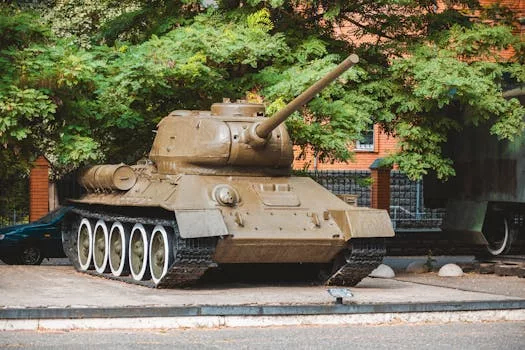
Ah, military history. For many, it conjures images of charging cavalry, thunderous artillery, and generals barking orders with impressive moustaches. And while there’s certainly a thrill in that, focusing solely on the “bang” and the “boo” can sometimes miss a crucial element: the profound depth and gravitas that a more formal approach to military history can convey. It’s about moving beyond the sheer spectacle to understand the why, the how, and the what-if with a precision that demands respect. Think of it as swapping your trench coat for a tweed jacket – still exploring the trenches, but with a sharper analytical lens.
So, how do we elevate our discussions and writings to convey a more formal side of military history, making them as insightful as they are engaging? It’s not about being dry or inaccessible; it’s about employing a sophisticated toolkit that unlocks deeper understanding.
Strategic Seriousness: Mastering the Analytical Framework
The bedrock of formal military history lies in its analytical framework. It’s not enough to recount events; one must dissect them. This involves a deliberate shift from narrative chronology to thematic exploration, often drawing on established theoretical models.
Ditch the Chronological Straitjacket (Sometimes): While a timeline is a useful starting point, formal analysis often benefits from thematic organization. Instead of a blow-by-blow account of a campaign, consider sections dedicated to “Logistical Challenges,” “Command and Control Structures,” or “Intelligence Failures and Successes.” This allows for a deeper dive into specific facets.
Embrace Theory (Without Being Pedantic): Theories like Clausewitz’s “On War,” Sun Tzu’s “The Art of War,” or more modern strategic concepts (e.g., Boyd’s OODA loop) aren’t just historical curiosities. Applying these frameworks can illuminate decision-making processes and reveal underlying patterns invisible to a purely descriptive approach. It’s like having a map and compass for navigating the complex terrain of past conflicts.
Comparative Analysis is Your Friend: Looking at similar conflicts or strategies across different eras or cultures adds immense value. Why did one naval blockade succeed while another failed? How did technological advancements impact battlefield tactics in analogous situations? This comparative lens helps to identify universal principles and context-specific variables.
The Precision of Language: Words as Weapons of Clarity
If the analysis is the strategic planning, then language is the precise weaponry. How you articulate your points can dramatically shift the perception of your work, conveying a more formal side of military history through sheer clarity and intellectual rigor.
Vocabulary Matters (But Don’t Fret Over Obscurity): While a rich vocabulary is beneficial, the goal isn’t to sound like you swallowed a thesaurus. It’s about using the right word for the right nuance. For instance, distinguishing between “strategy,” “operations,” and “tactics” isn’t pedantry; it’s essential for clear communication. Using terms like “attrition warfare” or “manoeuvre warfare” precisely rather than vaguely is key.
Avoid Hyperbole and Emotional Language: While the emotional toll of war is undeniable and important, overly dramatic prose can undermine the perceived objectivity of formal military history. Instead of “devastating slaughter,” consider “high casualty rates” or “significant losses.”
Structure for Readability, Not for Style Points: Long, winding sentences can be tempting, but clear, concise prose is often more effective. Break down complex ideas into digestible sentences and paragraphs. Use transition words and phrases to guide the reader logically from one point to the next.
Evidence-Based Arguments: The Unshakeable Foundation
Formal military history isn’t about opinions; it’s about evidence-backed arguments. This is where your research muscles truly come into play, distinguishing credible scholarship from armchair speculation.
Primary Sources are Gold: Direct accounts from participants – diaries, letters, official dispatches, memoirs (read with a critical eye, of course!) – offer unparalleled insight. Learning to interpret these documents, understanding their biases, and cross-referencing them is vital.
Secondary Sources: Choose Wisely: The academic literature is vast. Rely on peer-reviewed journals, scholarly books from reputable university presses, and works by established historians in the field. Be wary of popular history books that may lack rigorous sourcing or present a skewed narrative.
Footnotes and Bibliographies: Your Credibility Pillars: For academic or more formal presentations, proper citation isn’t just a formality; it’s a declaration of your intellectual honesty. A well-constructed bibliography and accurate footnotes allow others to trace your research, verify your claims, and engage with your sources. It shows you’ve done your homework and are confident in your findings.
The Human Element, Deeper Dive: Beyond Individual Heroism
While tales of individual bravery are compelling, formal military history often explores the human element through broader, systemic lenses. It’s about understanding the collective experience and the forces that shape it.
The Soldier’s Experience (Systemically): How did military life, training, or propaganda affect the rank-and-file? What were the psychological impacts of prolonged combat? Formal history seeks to understand these phenomena across groups, not just in isolated anecdotes.
Civil-Military Relations: This is a rich vein for formal exploration. How did the military influence political decision-making? How did civilian society shape military objectives? Examining these interactions reveals crucial power dynamics and societal pressures.
Logistics and Technology: The Unsung Heroes (and Villains): Often overlooked in favour of dramatic battles, the effectiveness of supply chains and the impact of technological adoption are critical determinants of military success or failure. A formal analysis will delve into the intricacies of how armies were fed, equipped, and moved, and how new inventions altered the face of warfare.
Visualizing Victory (and Defeat): Maps, Data, and Diagrams
Sometimes, words alone aren’t enough. The judicious use of visual aids can significantly enhance understanding and convey a more formal side of military history by presenting complex information clearly.
Maps, Maps, and More Maps: A good operational map can tell a story more effectively than pages of text. Ensure maps are clear, well-annotated, and accurately reflect the terrain and movements being described.
Data Visualization: Charts and graphs can illustrate trends in troop strength, casualty rates, economic output, or weapon effectiveness. Presenting this data in a clear, understandable format adds analytical weight to your arguments.
* Order of Battle Diagrams: For complex engagements, a clear depiction of the opposing forces, their deployment, and their command structures can be invaluable.
Wrapping Up: The Enduring Power of Rigor
Ultimately, conveying a more formal side of military history isn’t about stifling passion or creativity. It’s about channeling that passion into rigorous analysis, precise language, and evidence-based argumentation. It’s about moving beyond the sensational to the significant, revealing the intricate workings of conflict and its profound impact on human societies. By embracing these principles, your explorations of military history will not only captivate your audience but also earn their respect, offering insights that resonate long after the last cannonball has fallen silent. It’s a journey from the roar of the guns to the quiet hum of understanding.
Kevin
Senior staff writer & editor delivering comprehensive analysis, news reports, and detailed guides.